Sabbatical Leave Explained: A Complete Guide to Take a Meaningful Career Break
 |
02 January 2026
|
02 January 2026

Sabbatical leave is no longer limited to academic professions. In recent years, it has become an increasingly popular option across corporate and creative industries. As professionals seek balance, purpose, and long-term growth, sabbatical leave offers a structured way to step away from routine work while investing in personal and professional development.
This guide explains what sabbatical leave is, why it matters, and how to plan it effectively.
What Is Sabbatical Leave?
Sabbatical leave refers to an extended break from work that allows employees to focus on personal goals, learning, travel, or rest. Unlike regular vacation leave, a sabbatical is typically longer and more purposeful. It may be paid, partially paid, or unpaid depending on company policies.
Many organizations view sabbaticals as a tool for employee retention and long-term productivity.
Why Sabbatical Leave Is Gaining Popularity
Modern work environments demand constant performance, which can lead to burnout over time. Sabbatical leave helps professionals pause, reflect, and reset. Employers are also recognizing that employees who return from sabbaticals often bring renewed energy, fresh perspectives, and improved focus.
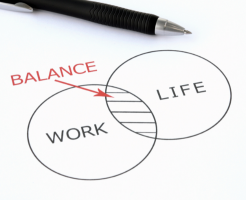
As work-life balance becomes a priority, sabbatical leave is emerging as a forward-thinking workplace benefit.
Key Benefits of Taking Sabbatical Leave
Personal Development
A sabbatical allows time for self-reflection, learning new skills, or exploring long-standing interests.
Improved Well-Being
Extended time away from work reduces stress and supports mental and emotional health.
Enhanced Career Perspective
Stepping back often helps individuals reassess career goals and return with greater clarity.
Increased Productivity After Return
Employees who take sabbaticals often report higher motivation and creativity when they resume work.
How to Plan a Successful Sabbatical Leave
Proper planning ensures that sabbatical leave is productive and stress-free.
- Review your company’s sabbatical policy
- Discuss timelines and expectations with your employer
- Plan finances to support your time away
- Arrange work handovers to ensure smooth operations
Good preparation benefits both the employee and the organization.
Ideas for Using Sabbatical Leave Effectively
Sabbatical leave can be used in many meaningful ways, such as:
- Learning a new skill or certification
- Traveling for cultural or personal growth
- Volunteering or social work
- Writing, research, or creative projects
- Rest and recovery after prolonged work periods
The purpose of a sabbatical is flexible and personal.
Practical Tips for First-Time Sabbatical Takers
- Define clear intentions before starting
- Maintain light professional connections if required
- Document your experiences for reflection
- Plan your return to work gradually
These steps help maximize the value of sabbatical leave.
Frequently Asked Questions
1.How long does sabbatical leave usually last?
It can range from a few weeks to several months, depending on company policy.
2.Is sabbatical leave paid?
This depends on the employer; many sabbaticals are unpaid or partially paid.
3.Can sabbatical leave affect career growth?
When planned well, it often supports long-term career development.
4.Is sabbatical leave available to all employees?
Eligibility depends on organizational policies and length of service.
Conclusion
Sabbatical leave offers a powerful opportunity to recharge, grow, and return to work with renewed purpose. When aligned with clear goals and proper planning, it can positively impact both personal well-being and professional performance. Zlendo Suite supports smarter planning and life transitions by helping individuals organize goals, manage time effectively, and make informed decisions during significant career breaks.
Disclaimer
This blog is intended for general informational purposes only. Sabbatical leave policies vary by organization, industry, and location. Readers are advised to consult their employer’s HR policies or professional advisors before planning or applying for sabbatical leave.