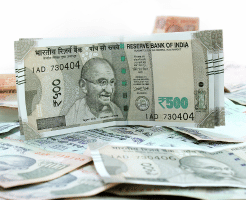
Budget 2025 Highlights: Key Announcements and What They Mean
 |
06 January 2026
|
06 January 2026

The Budget 2025-26 presented by the Government of India lays out a roadmap for economic growth, social welfare, infrastructure development, and fiscal management for the coming year. It aims to strengthen key sectors, streamline public spending, and boost economic inclusivity. Here’s a clear, detailed breakdown of the most important highlights and what they mean for individuals, businesses, and the nation at large
Overview: What Is the Budget 2025?
The Union Budget 2025-26 sets out the government’s plan for how it will raise and spend money for the fiscal year starting April 1, 2025. It reflects policy decisions that influence taxation, infrastructure, social programs, and economic priorities.
1. Fiscal and Economic Framework
Expenditure and Receipts
- Total government spending is estimated at ₹50.65 lakh crore, up around 7.4% from the previous year.
- Receipts (excluding borrowings) are projected at ₹34.96 lakh crore, about 11.1% higher than the previous year.
- The government continues to focus on a balanced fiscal profile, with targeted control over revenue and capital expenditure.
Growth Targets
- Nominal GDP growth is estimated at 10.1%, combining real growth and inflation progress.
- Revenue deficit is targeted at 1.5% of GDP, while fiscal deficit aims for 4.4% of GDP.
2. Key Budget Priorities
Spurring Inclusive Growth
The budget emphasizes programs that drive rural prosperity, youth employment, and gender equality. It supports initiatives under frameworks like “Garib, Youth, Annadata, Nari” to ensure that growth benefits reach all segments.
Boosting Economic Engines
Investment focus areas include:
- Agriculture and rural development — enhancing productivity and technology adoption.
- Exports — encouraging production and global competitiveness.
3. Taxes and Incentives
Tax Reforms
Some major tax-related proposals include:
- Rationalization of tax slabs aimed at easing burdens on middle-income taxpayers, with income tax relief up to certain thresholds.
- Revisions to TDS and TCS limits to reduce compliance burden for citizens.
- Tax exemptions on certain savings instruments to encourage long-term investment. Wikipedia
4. Sectoral Focus and Strategic Initiatives
Infrastructure and Urban Development
- Creation of an Urban Challenge Fund to upgrade city infrastructure and sanitation.
- Enhanced support for affordable housing and modern utilities.
Digital and Education Expansion
- Extension of broadband connectivity to government schools and primary health centers under national projects.
- Establishment of Atal Tinkering Labs in schools to strengthen innovation and STEM learning. Press Information Bureau
Healthcare and Welfare Programs
- Strengthening nutrition programs such as Saksham Anganwadi and Poshan 2.0 to improve child and maternal health outcomes.
- Focused spending on health infrastructure growth and preventive care. Press Information Bureau
Support for Workers
- Enhanced provisions for worker identification and social security through schemes like e-Shram registration and healthcare under PM Jan Arogya Yojana.
5. What This Means for You
The Budget 2025 aims to support economic stability while keeping growth inclusive and balanced. Individuals may benefit from:
- Potential tax relief through revised slabs and exemptions
- Expanded digital and physical infrastructure
- Greater support for education, healthcare, and rural prosperity
For businesses, focus on MSMEs and global investment incentives can open new opportunities.
Conclusion
The Budget 2025-26 represents a strategic effort to strengthen India’s economic framework, encourage equitable growth, and foster innovation and sustainability. Whether you are planning personal finances or business investments, understanding these highlights helps you make informed decisions. Zlendo Suite supports individuals and organizations with insights and solutions that align with evolving economic priorities and long-term goals.
Disclaimer
This content is provided for general informational purposes only. Budget provisions, tax laws, and financial regulations may change and vary by individual circumstances. Readers should consult financial advisors, tax professionals, or official government sources before making fiscal decisions.