Understanding Sandwich Leave: Definition, Effects, and Office Policies
 |
07 January 2026
|
07 January 2026

The concept of sandwich leave has gained attention in modern workplaces as organizations rethink leave policies and employee flexibility. Both employers and employees often have questions about how sandwich leave works, whether it is fair, and how it affects productivity and work culture.
What Is Sandwich Leave?
Sandwich leave refers to a situation where an employee applies leave on a working day that falls between two holidays or weekly offs. In some organizations, this results in all the days—including holidays—being counted as leave, depending on company policy.
This practice is not defined by law but is governed by internal HR rules.
Why Sandwich Leave Matters in Today’s Work Environment
As workplaces shift toward employee well-being and flexibility, sandwich leave has become a discussion point. Employees often view it as a way to extend rest periods, while employers focus on maintaining operational continuity. Clear policies help reduce confusion and workplace dissatisfaction.
Advantages and Concerns of Sandwich Leave
Benefits for Employees
- Longer rest periods without frequent leave applications
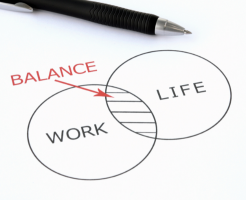
- Better work-life balance
- Improved mental refreshment
Challenges for Employers
- Temporary staffing gaps
- Workflow disruptions during peak periods
- Uneven workload distribution
Balancing these aspects requires thoughtful policy design.
How Employers Can Manage Sandwich Leave Effectively
Organizations can handle sandwich leave smoothly by:
- Defining clear leave policies in employee handbooks
- Encouraging advance leave planning
- Aligning leave approval with workload requirements
- Using transparent communication to avoid misunderstandings
Consistency in policy application builds trust across teams.
Is Sandwich Leave Legally Mandated?
Sandwich leave is not governed by statutory labor laws in India or many other regions. It is purely a company-defined policy. Employers are free to allow, restrict, or modify sandwich leave rules, provided they are clearly communicated and applied uniformly.
Tips for Employees Planning Sandwich Leave
Employees can avoid conflicts by:
- Reviewing company leave policies carefully
- Applying for leave well in advance
- Informing team members about work handovers
- Avoiding last-minute requests during critical work periods
Professional communication helps maintain goodwill.
Sandwich Leave in Progressive Organizations
Some organizations are moving away from strict sandwich leave rules in favor of flexible or trust-based leave policies. These companies often report better employee morale, higher engagement, and improved retention—especially in knowledge-driven industries.
Simplify Leave Policy Management with Zlendo Suite
Managing leave policies and attendance manually can be challenging. Zlendo Suite helps organizations automate leave tracking, maintain policy clarity, and ensure accurate attendance records. With structured systems in place, HR teams can handle sandwich leave scenarios more efficiently and transparently.
Disclaimer
This blog is intended for informational purposes only. Sandwich leave policies vary by organization and are subject to internal HR rules and employment contracts. This content should not be considered legal or professional HR advice. Employees and employers are advised to consult official company policies or HR professionals for specific guidance.