The Future of Human Resource Policies: Adapting to Workplace Change in 2026
 |
07 January 2026
|
07 January 2026

Human resource policies are undergoing major transformation as organizations adapt to new ways of working. In 2026, human resource policies are no longer static documents—they are strategic tools that influence employee experience, compliance, and long-term business sustainability.
Why Human Resource Policies Matter More Than Ever
Modern workplaces are shaped by flexible work models, digital operations, and evolving employee expectations. HR policies now play a critical role in defining workplace standards, guiding behavior, and ensuring consistency across teams. Well-structured policies help organizations stay compliant while supporting productivity and trust.
Key Trends Shaping Human Resource Policies in 2026
Several changes are influencing how HR policies are designed and implemented:
Flexible and Hybrid Work Policies
Organizations are formalizing guidelines for remote and hybrid work to ensure clarity around performance, availability, and collaboration.
Diversity, Equity, and Inclusion
HR policies are expanding to address equal opportunity, inclusive hiring, fair pay practices, and respectful workplace behavior.
Data Protection and Privacy
With increased use of digital HR systems, policies now emphasize responsible handling of employee data, confidentiality, and cybersecurity awareness.
Employee Well-being and Mental Health
Many companies are adding policies focused on work-life balance, wellness programs, and mental health support.
Building a Strong Human Resource Policy Framework
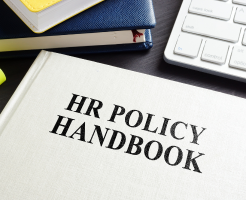
An effective HR policy framework balances legal compliance with employee needs. Policies should be easy to understand, consistently applied, and aligned with company values. Regular updates ensure relevance as laws, technology, and workplace norms evolve.
Best Practices for Creating Effective HR Policies
Organizations can improve policy effectiveness by:
- Using simple and clear language
- Making policies easily accessible to employees
- Reviewing policies periodically
- Involving leadership and employees in policy updates
Clear communication helps avoid confusion and improves adherence.
Ensuring Compliance and Policy Adaptability
HR policies must remain flexible to respond to regulatory changes and business growth. Regular audits, internal training, and documentation updates help organizations stay compliant while adapting smoothly to change.
Role of Technology in Managing HR Policies
Technology simplifies policy management by enabling centralized documentation, version control, and compliance tracking. Digital tools also improve transparency and reduce manual errors in policy administration.
Streamline HR Policy Management with Zlendo Suite
Managing evolving HR policies can be complex without the right systems. Zlendo Suite helps organizations organize HR documentation, track compliance, and maintain structured employee records. With automated workflows and centralized access, HR teams can manage policy updates more efficiently and consistently.
Preparing Organizations for the Future
As workplaces continue to change, proactive HR policy planning becomes essential. Companies that invest in clear, adaptable, and employee-focused policies are better positioned to attract talent, reduce risk, and maintain operational stability.
Disclaimer
This blog is intended for informational purposes only. Human resource policies, legal requirements, and workplace practices may vary based on location, industry, and organization size. This content should not be considered legal or professional HR advice. Organizations are advised to consult qualified HR professionals or legal experts before implementing or modifying HR policies.