Hiring Employees in 2026: A Practical Guide for Building Strong Teams
 |
08 January 2026
|
08 January 2026

Hiring employees in 2026 requires a smarter, more flexible approach than ever before. With rapid technological change, evolving candidate expectations, and competitive talent markets, businesses must rethink how they attract, evaluate, and retain the right people. A well-planned hiring strategy is no longer optional—it is essential for long-term success.
Why Hiring Employees Has Changed in 2026
The way organizations hire employees has shifted significantly. Candidates now look for flexibility, growth opportunities, and purpose, not just salaries. At the same time, employers are using digital tools to speed up hiring while improving accuracy. Companies that fail to adapt risk losing top talent to more agile competitors.
Key Strategies for Hiring Employees Successfully
To build a reliable and skilled workforce, businesses should focus on the following hiring practices:
Use Smart Screening Methods
Technology-driven screening tools help shortlist candidates faster and reduce manual effort. This allows hiring teams to focus more on evaluating skills and cultural fit.
Expand Talent Pools with Flexible Work Options
Offering remote or hybrid work options helps companies reach candidates beyond geographic limits. This approach also improves employee satisfaction and retention.
Strengthen Employer Branding
A strong employer brand builds trust with job seekers. Clear communication about company culture, values, and growth opportunities helps attract candidates who align with your organization.
The Role of Technology in Hiring Employees
In 2026, digital hiring platforms and recruitment software play a major role in connecting employers with qualified candidates. From job postings to interview scheduling, technology simplifies the hiring journey and improves the overall candidate experience.
Automation also helps reduce bias and ensures consistency across hiring stages when used responsibly.
Legal and Ethical Considerations in Hiring
Fair hiring practices are critical for building inclusive workplaces. Employers must ensure that recruitment processes are transparent, unbiased, and compliant with employment regulations. Ethical hiring not only protects businesses legally but also strengthens company reputation and trust.
Practical Tips for Hiring Managers
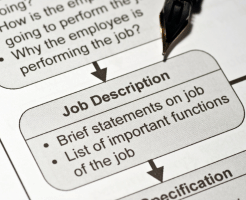
- Write clear and accurate job descriptions
- Use structured interviews to ensure fairness
- Focus on both technical skills and soft skills
- Encourage employee referrals for trusted recommendations
- Communicate clearly with candidates throughout the process
These steps help improve hiring outcomes and candidate satisfaction.
FAQ
1.What skills matter most when hiring in 2026?
Adaptability, problem-solving ability, communication, and role-specific skills are highly valued.
2.How can businesses improve their hiring process?
By combining technology with clear communication and consistent evaluation methods.
3.Does remote work affect hiring quality?
When managed properly, remote hiring expands access to skilled talent and improves retention.
4.Why is employer branding important?
It helps attract candidates who share similar values and reduces hiring mismatches.
Simplifying Hiring with the Right Support
Managing the hiring process efficiently requires the right tools and expertise. Zlendo Suite supports organizations with solutions that streamline hiring, improve candidate management, and help businesses attract the right talent in 2026. With smarter systems in place, companies can focus on building strong, future-ready teams.
Disclaimer
This blog is for informational purposes only. Hiring practices, tools, and legal requirements may vary based on region, industry, and company size. Readers are advised to consult HR professionals or legal experts before implementing hiring strategies or recruitment systems.