Employee Self-Service Portals: Empowering Staff Through Technology
 |
13 November 2025
|
13 November 2025
Introduction
The modern workplace is evolving quickly. With remote work, digital communication, and automation becoming the new normal, businesses are relying heavily on tools that make work simpler, faster, and more efficient. Among these innovations, employee self-service portals have become one of the most transformative. They empower employees, reduce HR workloads, and create a more transparent and connected workplace. These portals are no longer optional add-ons—they have become a core part of modern HR technology.
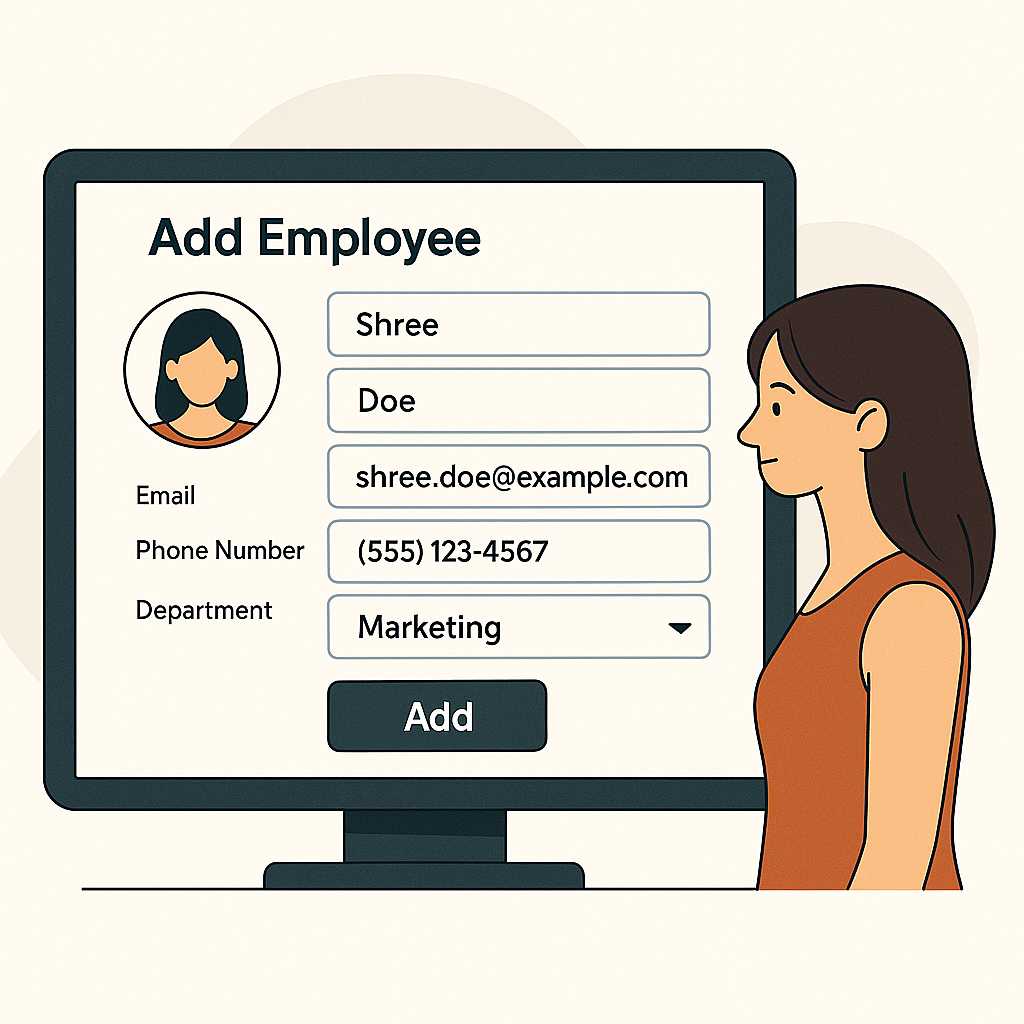
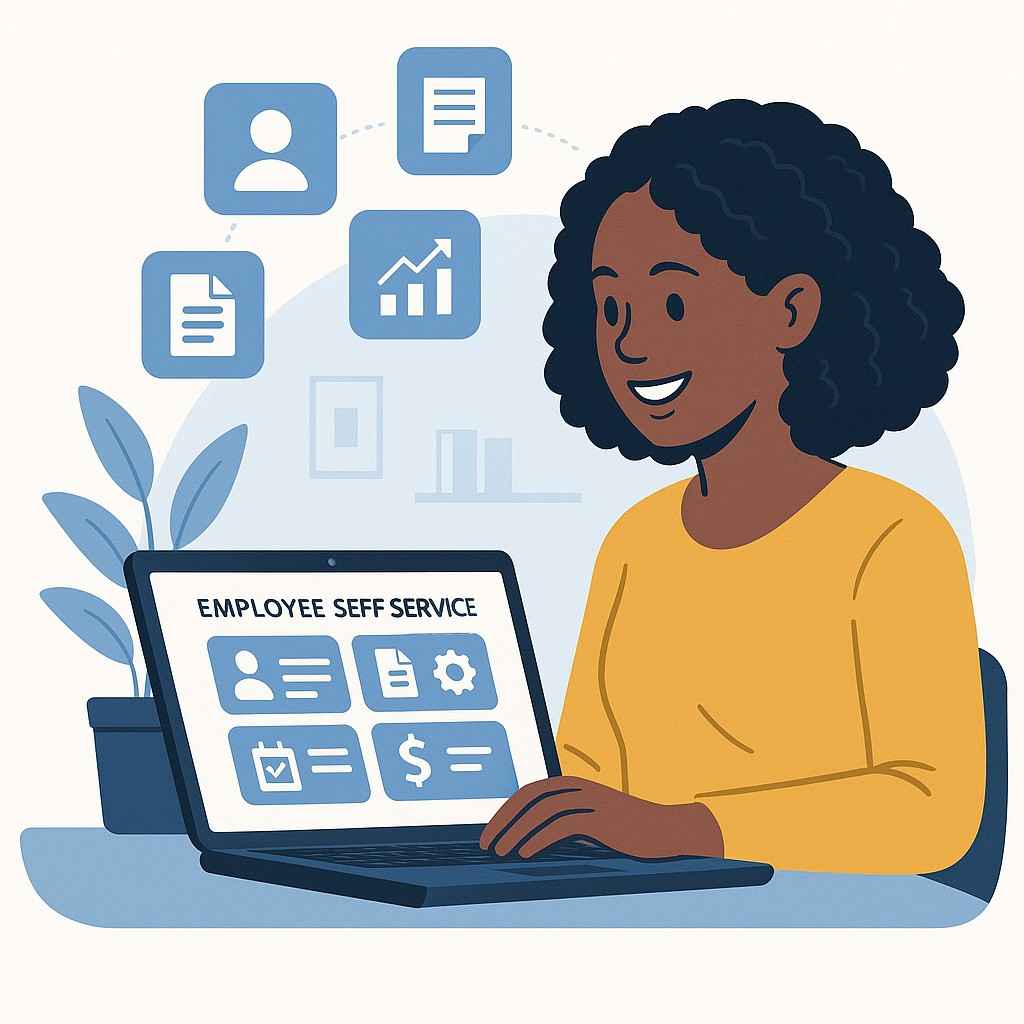
Employee self-service portals give employees access to their own HR information and tasks. Employees can check payslips, request leave, update personal details, download documents, and much more—without waiting for HR assistance. This dramatically changes the way people interact with HR and brings more autonomy, convenience, and digital efficiency into everyday work life.
As businesses focus more on digital transformation and employee experience, self-service tools are becoming essential for building a productive, engaged, and empowered workforce.
What Is an Employee Self-Service Portal?
An employee self-service portal is a digital platform that allows employees to manage many HR-related tasks on their own. Instead of depending on HR for simple activities like checking attendance or updating phone numbers, employees can log into the portal and complete these tasks instantly. These portals are usually part of a larger HR management system, which connects attendance, payroll, performance, and other HR functions in one unified platform.
An employee self service portal provides simple, easy access to information that employees previously had to request manually. The platform removes delays, reduces paperwork, and minimizes human error. Employees can complete routine tasks from anywhere, at any time, making these portals especially useful for remote and hybrid teams.
Self-service is more than a feature—it is a way to give employees ownership of their work and personal data.
Why Employee Self-Service Matters in Today’s Work Environment
Businesses today run at a much faster pace, and employees expect access to information instantly. Traditional HR processes often couldn’t keep up, leading to delays, confusion, and endless back-and-forth communication. Employee self-service solves these challenges by providing real-time access to information and eliminating unnecessary steps.
This shift also supports the growing demand for workplace transparency. Employees want clarity regarding their leave balance, payslips, attendance, reimbursements, and policies. employee self service portals deliver this transparency effortlessly. They also help HR teams reduce repetitive work and focus instead on strategic areas like engagement, culture, and workforce planning.
employee self-service is essential for modern workplaces that value speed, accountability, and efficiency.
How ESS Portals Improve the Employee Experience
Employee experience plays a major role in job satisfaction and productivity. When employees have smooth, stress-free access to their information, their relationship with the workplace improves. employee self-service portals offer 24-hour access to HR data, letting employees check their information whenever they need it. They no longer have to wait for HR emails, printed documents, or approvals that take days.
Automated workflows ensure faster approvals. Whether it is leave requests, reimbursement claims, or document submissions, everything moves more quickly through the system. Employees feel more confident and in control because they can track every request and see its status in real time.
With easy access, reduced dependency on HR, and a user-friendly dashboard, employees enjoy a more polished and professional HR experience. This leads to better engagement, higher trust, and improved job satisfaction.
Key Features of Modern Employee Self-Service Portals
Modern ESS portals come with a range of helpful features designed to make HR more efficient. Personal information can be updated instantly, ensuring accurate employee records. Leave and attendance can be managed without long email chains or paper forms. Employees can check their leave balance, view their attendance history, and access their monthly timesheets in seconds.
Payroll information is also easy to access. Digital payslips, reimbursement details, tax forms, and salary breakdowns are available at any time. Employees can download important documents privately and securely.
Performance management, training resources, company policies, and onboarding materials can all be accessed directly from the portal. This centralizes HR information in one place, making it convenient for both employees and HR departments.
Benefits of Employee Self-Service for Organizations
While employee self service portals make life easier for employees, organizations also benefit greatly. HR teams can eliminate many time-consuming tasks, giving them more time to focus on developing the workforce and improving company culture. Because employees update their own information, data accuracy improves significantly.
Organizations save operational costs by reducing paperwork, printing, manual processing, and administrative hours. With automated workflows, everything becomes faster, more predictable, and more consistent. Employee self service portals also support remote and global teams by ensuring everyone can access the same system, no matter where they are located.
Compliance and audits are easier because records are digital, organized, and updated in real time. Clear logs and accurate data ensure the company stays compliant with labor regulations and internal policies.
The overall company culture becomes more open and efficient as communication improves and employees feel more empowered.
How ESS Portals Support Digital Transformation in HR
Digital transformation in HR is about making processes smarter, faster, and more connected. Employee self-service portals play a major role in helping companies move away from manual, outdated tools. By centralizing information and automating workflows, employee self service portals make HR operations more scalable and future-ready.
These portals support real-time insights, enabling HR teams and leaders to make data-based decisions. Digital documentation, instant updates, and integrated workflows help HR operate more efficiently across the board.
ESS portals make onboarding smoother, offboarding more structured, and daily HR tasks more consistent. They eliminate the need for physical storage, manual signatures, and in-person approvals, supporting a fully digital work environment.
Challenges Companies Face Without ESS Portals
Organizations that do not use employee self-service portals often struggle with inefficiencies. HR teams receive overwhelming volumes of queries that could easily be avoided with automation. Delays in approvals, frequent data errors, outdated employee information, and low transparency create frustration among employees.
Managing remote teams becomes much harder without a centralized digital system. Information becomes scattered, difficult to track, and prone to mistakes. Without ESS portals, HR teams lose valuable time that could be spent on strategic projects.
Employees also feel disconnected when they cannot easily access their own information. This reduces engagement, lowers trust, and weakens the overall employee experience.
The Future of Employee Self-Service Portals
The future of employee self service is exciting and more intelligent than ever. Many portals are now integrating AI-based chatbots that answer employee questions instantly. Predictive analytics helps HR plan workforce needs more effectively. Mobile-first design ensures that employees can manage everything from their smartphones.
Voice-guided assistance, personalized dashboards, automated onboarding experiences, and real-time notifications will continue to enhance the way employees interact with HR. As technology evolves, employee self service portals will become smarter, more intuitive, and even more essential.
Organizations that invest in employee self servicetoday will be better prepared for the digital workplace of tomorrow.
Final Thoughts
Employee self-service portals have become a powerful tool in modern HR operations. They empower employees, simplify HR tasks, improve transparency, and strengthen workforce productivity. By eliminating manual processes and bringing automation into everyday HR activities, ESS portals help businesses create a more efficient and employee-friendly work environment.
In a world where speed, accuracy, and digital convenience matter more than ever, employee self-service stands out as a must-have HR technology. Companies that adopt these portals are building stronger, smarter, and more connected workplaces—ready for the future of work.