Accounting Cycle Diagram Explained: A Clear Step-by-Step Overview
 |
14 January 2026
|
14 January 2026
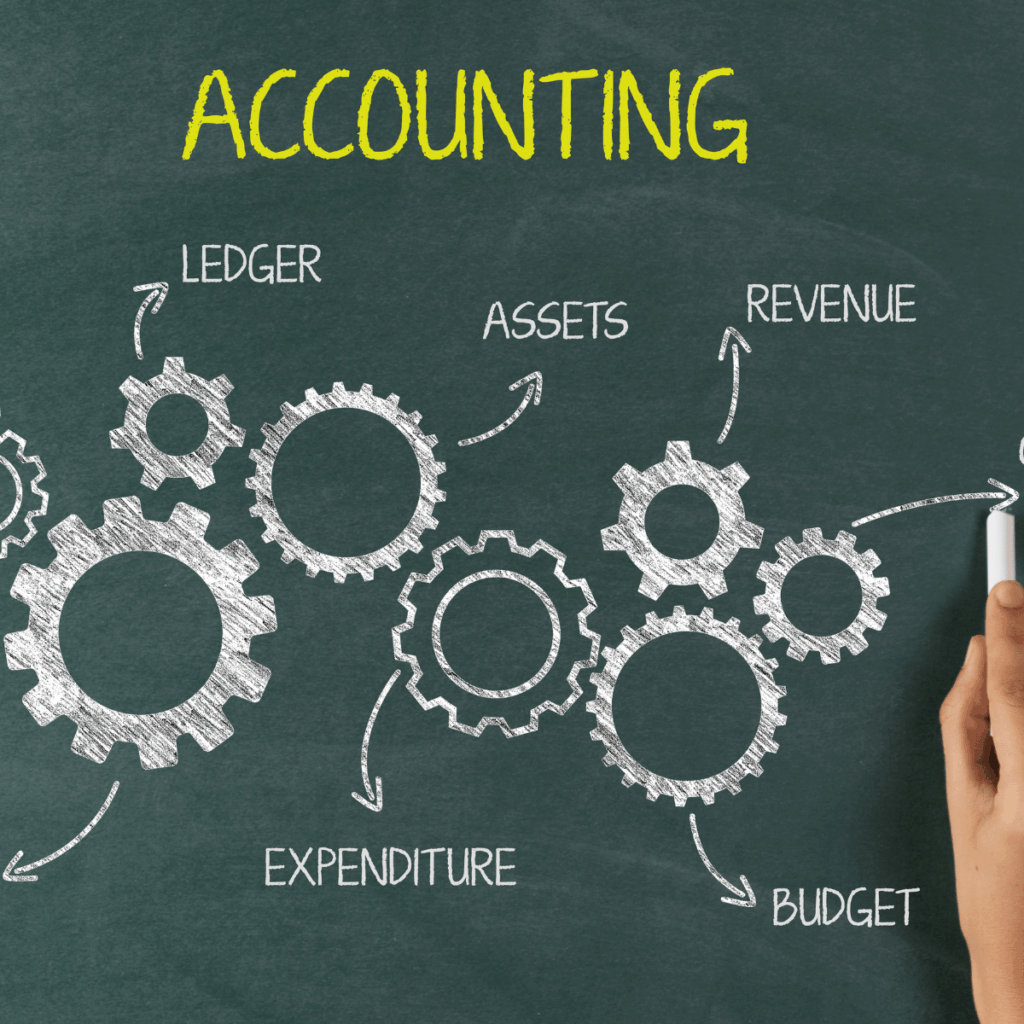
The accounting cycle diagram is a visual and systematic representation of how financial transactions move through an organisation’s accounting system. It helps businesses record, process, and summarise financial information accurately within a specific accounting period.
What Is an Accounting Cycle Diagram?
An accounting cycle diagram illustrates the complete flow of accounting activities, starting from identifying transactions and ending with the preparation of financial statements. It ensures consistency, accuracy, and completeness in financial reporting.
Why the Accounting Cycle Diagram Is Important
Understanding the accounting cycle diagram helps businesses maintain organised financial records. It reduces errors, supports compliance, and provides reliable financial data for decision-making. The diagram also makes accounting concepts easier to understand for students and professionals.
Key Steps in the Accounting Cycle Diagram
1. Identifying Financial Transactions
The first step involves recognising all business transactions that have a financial impact, such as sales, purchases, payments, or receipts.
2. Recording Transactions in the Journal
Each identified transaction is recorded chronologically in the journal with proper debit and credit entries.
3. Posting to Ledger Accounts
Journal entries are transferred to ledger accounts, where transactions are grouped by account type.
4. Preparing the Trial Balance
A trial balance is prepared to verify that total debits match total credits, ensuring basic accuracy.
5. Making Adjusting Entries
Adjustments are made for accrued income, expenses, depreciation, and other necessary corrections.
6. Adjusted Trial Balance
After adjustments, a revised trial balance is prepared to confirm accuracy before final reporting.
7. Preparing Financial Statements
Using the adjusted balances, financial statements such as the income statement and balance sheet are prepared.
8. Recording Closing Entries
Temporary accounts are closed to prepare the system for the next accounting period.
How the Accounting Cycle Diagram Supports Businesses
The accounting cycle diagram ensures that no step is skipped during financial reporting. It helps businesses track performance, meet legal requirements, and maintain transparency in financial operations.
Tips for Managing the Accounting Cycle Effectively
Following the cycle consistently helps prevent errors. Using accounting software can speed up the process and reduce manual effort. Regular reviews improve accuracy and reliability of financial data.
Suitable for Students and Professionals
The accounting cycle diagram is widely used in education, small businesses, and large organisations. It provides a structured approach that is easy to follow and apply across different industries.
Conclusion
The accounting cycle diagram acts as a practical framework that helps businesses manage every stage of the accounting process with clarity and discipline. When each step is followed correctly, organisations are better equipped to keep reliable records, make well-informed financial decisions, and maintain transparency. With structured financial guidance and business support from Zlendo Suite, companies can strengthen their accounting practices and achieve greater financial confidence.
Disclaimer
Accounting practices, standards, and reporting requirements may vary based on jurisdiction, industry, and regulatory guidelines. Readers are advised to consult qualified accounting professionals for specific financial or compliance advice.