BARS Method of Performance Appraisal: A Detailed Guide for Modern HR Teams
 |
22 January 2026
|
22 January 2026
Introduction
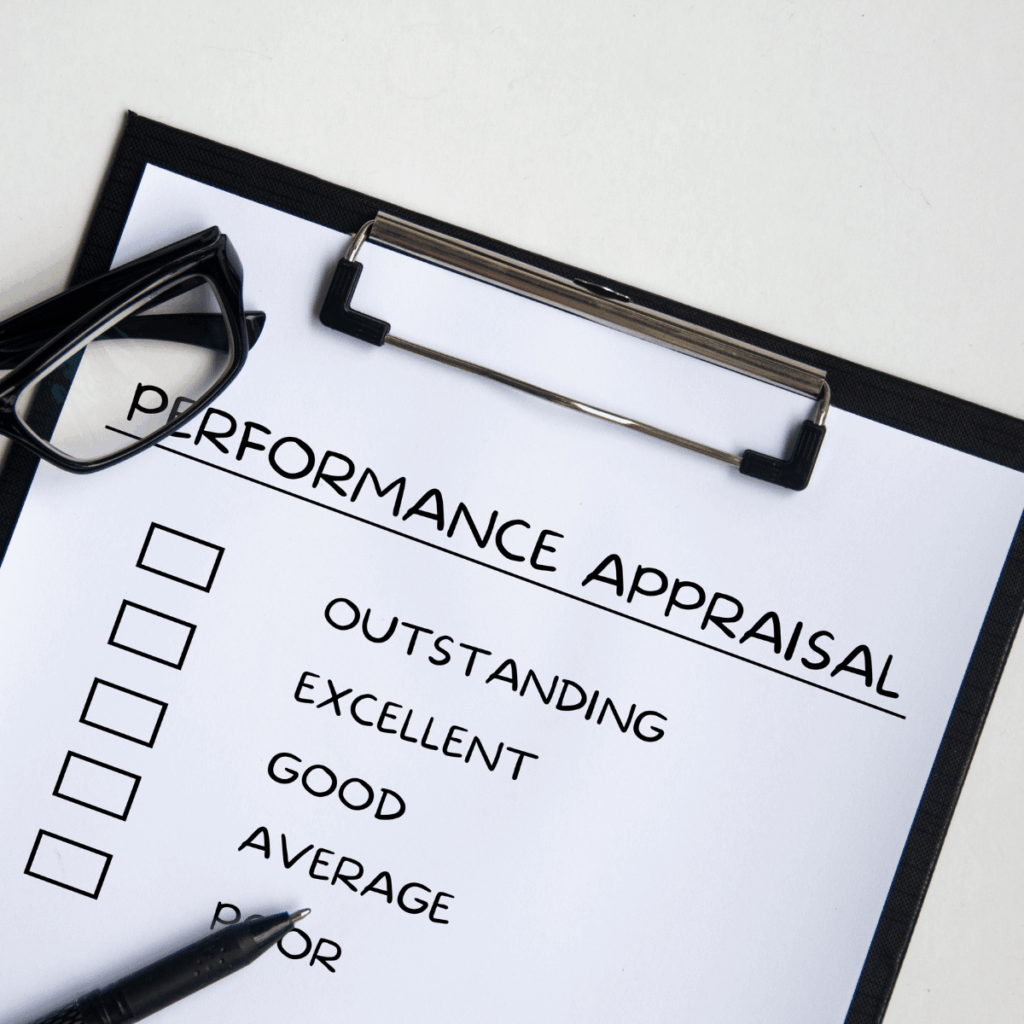
Performance appraisal plays a vital role in managing employee effectiveness and organizational growth. Among various evaluation techniques, the BARS method of performance appraisal stands out for its clarity, fairness, and accuracy. BARS, or Behaviorally Anchored Rating Scales, evaluates employees based on observable job-related behaviors rather than subjective traits.
This guide explains the BARS method of performance appraisal, how it functions, its benefits and limitations, and why it remains relevant for modern organizations.
What Is the BARS Method of Performance Appraisal?
The BARS method of performance appraisal is a structured evaluation approach that links numerical ratings to specific behavioral examples. Instead of relying on general terms like “excellent” or “unsatisfactory,” this method defines performance levels through clearly described workplace behaviors.
Each role is assessed using predefined behavioral standards, ensuring evaluations are consistent, transparent, and job-focused.
How the BARS Method of Performance Appraisal Works
The BARS approach follows a systematic development process:
1. Identify Job-Specific Performance Areas
Key responsibilities and critical performance areas are identified through job analysis.
2. Gather Critical Behavioral Examples
Real examples of effective and ineffective employee behaviors are collected from supervisors and subject experts.
3. Group Behaviors into Performance Dimensions
Similar behaviors are categorized into meaningful performance dimensions.
4. Create Behavioral Rating Anchors
Each rating level is described with detailed, observable behaviors.
5. Evaluate Employee Performance
Managers assess employees by matching observed behaviors to the closest behavioral anchor.
Example of the BARS Method of Performance Appraisal
Performance Dimension: Customer Support
| Rating | Behavioral Description |
| 5 | Anticipates customer needs and resolves issues proactively |
| 4 | Addresses customer problems efficiently with minimal guidance |
| 3 | Meets standard customer service expectations |
| 2 | Sometimes struggles to resolve customer concerns |
| 1 | Frequently ignores or mishandles customer issues |
This format helps remove ambiguity from performance ratings.
Advantages of the BARS Method of Performance Appraisal
- Focuses on observable job behavior
- Minimizes bias and subjectivity
- Provides clear performance expectations
- Improves quality of performance feedback
- Strengthens the link between appraisal and job requirements
Limitations of the BARS Method
- Requires significant time and effort to design
- Needs expert involvement during development
- Can be expensive for large organizations
- Difficult to revise frequently as roles evolve
When the BARS Method Is Most Effective
The BARS method of performance appraisal works best for:
- Roles with clearly defined tasks and behaviors
- Leadership and supervisory positions
- Performance improvement initiatives
- Organizations prioritizing fairness and transparency
BARS Method vs Traditional Performance Appraisal
| Aspect | BARS Method | Traditional Appraisal |
| Evaluation Basis | Observable behaviors | General traits |
| Accuracy | High | Moderate |
| Bias | Low | Higher |
| Feedback | Clear and actionable | Often unclear |
Importance of the BARS Method in HR Management
The BARS method of performance appraisal helps HR teams:
- Improve evaluation consistency
- Align employee behavior with business goals
- Support training and development decisions
- Increase employee trust in appraisal systems
Conclusion
The BARS method of performance appraisal offers a reliable and structured approach to evaluating employee performance. While it requires careful planning and effort, the method delivers long-term value through fair assessments, better feedback, and improved performance alignment.
By using modern workforce tools like Zlendo Suite, organizations can further strengthen BARS implementation through better performance tracking, clearer documentation, and data-driven insights—making performance management more efficient, transparent, and scalable.
Disclaimer
This blog is intended for general informational purposes only. Performance appraisal methods, including the BARS method, may vary in application depending on organizational structure, industry, and local regulations. The content provided should not be considered legal, professional, or HR advisory guidance. Organizations are advised to consult qualified HR professionals before implementing or modifying performance appraisal systems.