How to Approve or Reject Leave Requests?
 |
03 November 2025
|
03 November 2025

Introduction
Approving or rejecting leave requests isn’t just a formality — it’s one of the most important aspects of effective leave management. The way an organization handles leave requests directly impacts employee satisfaction, team productivity, and overall business operations. When the process lacks clarity or consistency, it can lead to miscommunication, overlapping schedules, and frustration among both employees and managers. A well-structured, transparent, and policy-driven leave approval process helps organizations balance employee needs with business priorities while maintaining fairness and compliance.
The Role of Modern Leave Management Systems
Modern leave management systems have transformed how organizations handle employee time off. Instead of juggling spreadsheets or emails, HR teams can now manage the entire process digitally — from application submission to approval, tracking, and reporting. Automation eliminates manual errors, speeds up decision-making, and ensures that every request aligns with company policies. Managers gain real-time visibility into team availability and project schedules, while employees benefit from transparent communication and faster responses. This not only saves time but also strengthens trust across the organization.

Why Fair Leave Decisions Matter
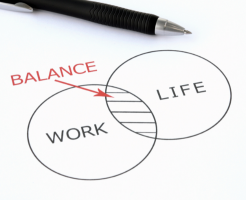
Every leave request represents a moment of trust between an employee and their organization. Approving or rejecting leave fairly shows that management respects personal time and understands work-life balance. Unfair or inconsistent decisions, on the other hand, can lead to frustration, low morale, and reduced employee engagement. By applying consistent criteria and maintaining open communication, HR teams and managers can reinforce fairness and transparency — building a culture where employees feel valued and supported.
Key Factors to Consider Before Approving Leave
Before approving any leave, managers should assess the availability of team members who can cover for the employee’s absence, the impact of the leave on ongoing projects, and whether the employee has sufficient leave balance. It’s also important to review the type of leave requested — whether it’s casual, medical, or unpaid — and identify any recurring patterns that might indicate burnout or disengagement. Evaluating these elements ensures that leave decisions are balanced and fair, without compromising workflow or deadlines.
Handling Leave Rejections with Empathy
Sometimes, rejecting a leave request is unavoidable — especially during critical business periods or when multiple team members have overlapping requests. However, rejections should always be handled with empathy and professionalism. A transparent explanation helps maintain trust even when the outcome isn’t favorable. A considerate message such as: “Hi [Employee Name], your leave request for [dates] can’t be approved due to key project deadlines. You may consider rescheduling after [alternative dates]. Thank you for understanding.” delivers a polite, clear and respectful message
How Automation Enhances the Leave Approval Process
Automation plays a crucial role in improving the efficiency and accuracy of leave management. Employees can apply for leave through a digital portal or mobile app, while the system automatically validates eligibility and policy compliance. Managers receive instant notifications to review requests, and updates reflect automatically in attendance and payroll systems. This integration minimizes human error, reduces administrative effort, and ensures complete transparency. With automation, HR professionals can focus on strategic initiatives rather than routine paperwork.
Creating a Culture of Transparency in Leave Management
Transparency in leave management builds mutual trust and accountability. When employees clearly understand leave policies, approval timelines, and reasons behind decisions, it removes ambiguity and frustration. Regularly communicating policies, updating employees about their leave balance, and using centralized HR software fosters openness and confidence in the process. Transparency not only boosts employee satisfaction but also encourages responsible leave planning and team collaboration.
Best Practices for Efficient Leave Management
To ensure smooth and fair leave management, organizations should maintain clear policies accessible to all employees and encourage advance leave planning. Training managers on objective, unbiased decision-making promotes consistency across departments. Using analytics and reports from the leave management system helps HR teams identify leave trends, forecast workforce needs, and prevent scheduling conflicts. Above all, maintaining empathy and professionalism in communication ensures that employees feel respected and supported.
Conclusion
Approving or rejecting leave requests is far more than an administrative task — it’s a reflection of how well an organization values fairness, balance, and communication. With a modern leave management system, HR teams can simplify workflows, ensure compliance, and maintain transparency in every decision. When handled with consistency and empathy, leave management becomes a tool for stronger employee relationships, improved productivity, and a healthier workplace culture.