Understanding Balance Sheet: A Simple Guide to Financial Position and Stability
 |
30 December 2025
|
30 December 2025
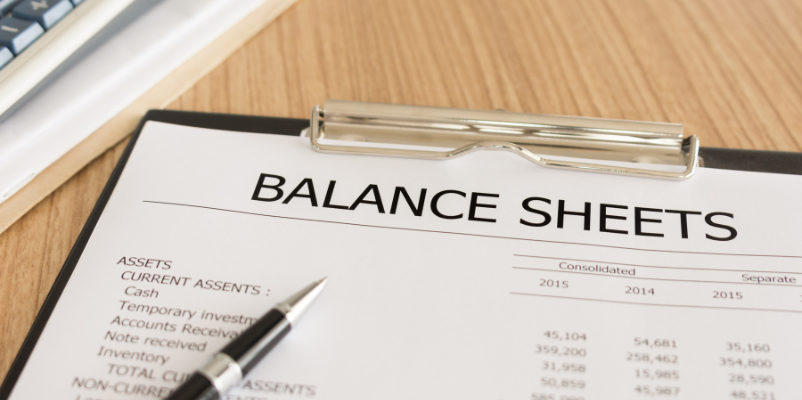
Understanding a balance sheet is essential for anyone involved in managing, analyzing, or investing in a business. A balance sheet presents a clear picture of a company’s financial position at a specific moment, helping stakeholders evaluate stability, liquidity, and long-term viability. When read correctly, it becomes a powerful tool for financial decision-making.
What Is a Balance Sheet?
A balance sheet is a financial statement that outlines what a business owns and what it owes at a particular point in time. It is built on a fundamental accounting principle:
Assets = Liabilities + Equity
This equation ensures that all company resources are funded either through borrowed funds or the owners’ investment.
Key Elements of a Balance Sheet
Assets
- Cash, bank balances, inventory, and receivables expected to be used or converted into cash within a year
Liabilities
Liabilities are financial obligations the business must settle.
- Current liabilities: Short-term loans, payables, and expenses due within one year
- Non-current liabilities: Long-term loans, lease commitments, and deferred obligations
Equity
Equity reflects the owners’ stake in the business.
- Capital invested by owners
- Retained earnings accumulated over time
Equity shows the net value of the business after all liabilities are deducted.
Why Understanding Balance Sheet Matters
Understanding balance sheet data helps businesses and investors:
- Evaluate financial strength and liquidity
- Measure the ability to meet short-term and long-term obligations
- Assess risk and financial leverage
- Support budgeting, forecasting, and strategic planning
- Meet compliance and reporting requirements
How to Analyze a Balance Sheet Effectively
- Liquidity check: Compare current assets with current liabilities
- Leverage review: Analyze how much debt the company carries compared to equity
- Trend analysis: Review balance sheets across multiple periods to spot growth or warning signs
- Cross-reference: Compare with income statements and cash flow reports for accuracy
Common Balance Sheet Mistakes to Avoid
- Incorrect classification of assets or liabilities
- Ignoring contingent or off-record obligations
- Failing to reconcile figures with other financial statements
- Overlooking changes in retained earnings
Avoiding these errors ensures reliable financial reporting.
Conclusion
Understanding balance sheet fundamentals allows businesses to clearly assess financial health and make confident decisions. Beyond being a compliance requirement, a balance sheet serves as a financial roadmap for growth and risk management. Digital financial tools like Zlendo Suite help simplify balance sheet preparation and analysis by offering integrated solutions that improve accuracy, visibility, and financial control for businesses of all sizes.