Employee Journey: Designing Meaningful Experiences Across the Workplace
 |
01 January 2026
|
01 January 2026

An organization’s success is closely linked to how employees experience their time at work. The employee journey describes the full range of interactions, emotions, and experiences an individual goes through while working with an organization. From the first contact as a job applicant to long-term growth and contribution, every stage shapes engagement and performance.
In 2025, organizations that invest in a positive employee journey are better positioned to retain talent, build trust, and achieve sustainable growth.
Understanding the Employee Journey
The employee journey covers all phases of an employee’s relationship with a company. It focuses on how people feel, perform, and develop over time rather than just their job roles.
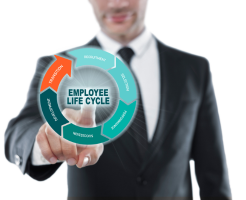
The journey typically includes:
- Attraction and recruitment
- Onboarding and integration
- Skill development and learning
- Performance and recognition
- Career progression and long-term engagement
Each stage influences motivation, satisfaction, and loyalty.
Why the Employee Journey Is Important Today
Workplace expectations have changed significantly. Employees now value growth opportunities, flexibility, and meaningful work experiences. A well-designed employee journey helps organizations meet these expectations.
Key benefits include:
- Stronger employee engagement
- Higher retention rates
- Improved productivity and teamwork
- A positive employer reputation
When employees feel supported throughout their journey, they are more committed to their roles.
Key Stages of an Effective Employee Journey
Attraction and Hiring
The employee journey begins even before hiring. Clear communication, fair recruitment processes, and realistic job previews create trust from the start.
Onboarding and Early Experience
A smooth onboarding process helps new hires feel welcomed, understand expectations, and adapt quickly to the workplace.
Learning and Growth
Ongoing learning opportunities and skill development keep employees motivated and prepared for future roles.
Performance and Feedback
Regular feedback, goal alignment, and recognition help employees understand their progress and stay engaged.
Long-Term Engagement and Retention
Career advancement, work-life balance, and appreciation contribute to long-term commitment and satisfaction.
How Organizations Can Improve the Employee Journey
Improving the employee journey requires consistent effort and listening.
Effective approaches include:
- Gathering regular employee feedback
- Aligning leadership actions with company values
- Encouraging open communication
- Supporting employee well-being
- Reviewing and refining processes continuously
Small improvements at each stage can create a significant positive impact.
Frequently Asked Questions (FAQs)
1.What does the employee journey include?
It includes all experiences an employee has, from recruitment through growth and long-term engagement.
2.Why should organizations focus on the employee journey?
A positive journey improves engagement, reduces turnover, and supports better performance.
3.How does the employee journey affect company culture?
It shapes how employees feel about their work and influences collaboration, trust, and morale.
4.Can the employee journey differ between roles?
Yes, experiences may vary, but consistency in values and support is essential.
5.Is the employee journey important for small companies?
Absolutely. A thoughtful employee journey benefits organizations of all sizes.
Conclusion
The employee journey is more than a series of HR processes—it is the foundation of a healthy and productive workplace. By focusing on meaningful experiences at every stage, organizations can build motivated teams, strengthen relationships, and drive long-term success.
For businesses seeking expert guidance on workforce strategy, people-centric growth, and workplace transformation, Zlendo Suite offers professional solutions designed to support strong employee journeys and sustainable organizational development.
Disclaimer
Employee journey practices and outcomes may vary depending on organizational structure, industry, and workforce needs. This blog does not constitute professional HR, legal, or management advice. Organizations are encouraged to consult qualified professionals before implementing employee experience strategies.