Bank Reconciliation: A Clear and Practical Guide for 2025
 |
01 January 2026
|
01 January 2026

Accurate financial records are the foundation of sound money management. Bank reconciliation is an essential accounting practice that helps ensure your internal financial records match the transactions reflected in your bank statement. In 2025, with increased digital payments and automated banking, regular reconciliation remains critical for maintaining financial clarity and control.
This guide explains bank reconciliation, its importance, and how to perform it effectively.
What Is Bank Reconciliation?
Bank reconciliation is the process of comparing the balance in your cash book or accounting system with the balance shown in your bank statement. The goal is to identify and explain any differences between the two records and make necessary adjustments.
Differences may occur due to:
- Pending deposits or payments
- Bank charges or interest entries
- Timing differences in transaction recording
- Data entry errors
Reconciling helps confirm that your financial information is accurate and complete.
Why Bank Reconciliation Is Important
Regular bank reconciliation plays a key role in financial management.
Key benefits include:
- Detecting errors in accounting records
- Identifying unauthorized or suspicious transactions
- Maintaining accurate financial statements
- Improving cash flow monitoring
- Strengthening internal financial control
Without reconciliation, small errors can turn into major financial issues.
Step-by-Step Bank Reconciliation Process
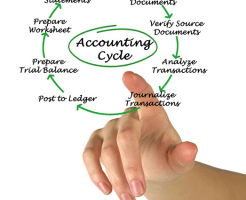
Follow these steps to reconcile your bank account:
- Collect Financial Records
Obtain the latest bank statement and your accounting records.
- Match Transactions
Compare deposits, withdrawals, and transfers in both records.
- Identify Differences
Note outstanding transactions, bank fees, or unrecorded entries.
- Update Accounting Records
Adjust your books to reflect accurate information.
- Confirm Balanced Figures
Ensure both records show the same final balance.
Performing these steps regularly keeps accounts aligned.
Common Issues in Bank Reconciliation
Some challenges commonly faced during reconciliation include:
- Missing or duplicate entries
- Delayed bank postings
- Unrecorded service charges
- Incorrect transaction amounts
Maintaining organized records and reconciling frequently helps reduce these problems.
Tools That Help With Bank Reconciliation
Many businesses use accounting software to simplify reconciliation. These tools can automatically import bank data, match transactions, and highlight discrepancies.
Advantages of using reconciliation tools:
- Saves time and effort
- Reduces manual errors
- Improves financial accuracy
- Provides real-time insights
Automation is especially useful for businesses with high transaction volumes.
Tips for Accurate and Efficient Reconciliation
To improve your reconciliation process:
- Reconcile accounts monthly
- Keep all financial documents organized
- Review transactions carefully
- Address discrepancies immediately
- Maintain a consistent reconciliation schedule
These habits ensure long-term financial reliability.
Frequently Asked Questions
1.What is the main purpose of bank reconciliation?
To ensure that your accounting records match your bank statement.
2.How often should bank reconciliation be done?
Monthly reconciliation is recommended for accuracy.
3.Is bank reconciliation necessary for small businesses?
Yes, it helps businesses of all sizes maintain accurate records.
4.Can bank reconciliation prevent fraud?
It can help detect unauthorized transactions early.
5.Is manual reconciliation still effective?
Yes, but automated tools can improve speed and accuracy.
Conclusion
Bank reconciliation is a critical practice for maintaining accurate financial records and ensuring transparency in cash management. Regular reconciliation helps identify errors, prevent financial risks, and maintain confidence in financial data.
For businesses seeking support in accounting processes, financial operations, and record management, Zlendo Suite offers professional solutions to help streamline bank reconciliation and improve financial efficiency.
Disclaimer
This blog is provided for general informational purposes only. Accounting practices, reconciliation methods, and financial requirements may vary depending on jurisdiction, organization size, and regulatory standards. This content does not constitute professional accounting, financial, or legal advice. Readers are encouraged to consult qualified professionals before making financial decisions.