Supporting Working Parents: HRMS Features That Make a Difference — Children’s Day Special
 |
14 November 2025
|
14 November 2025
Introduction
Children’s Day is a celebration of joy, innocence, laughter, and the spirit of childhood. It is also a moment to appreciate the efforts of parents who dedicate themselves to creating a safe, loving, and supportive environment for their children while balancing demanding work responsibilities.
In today’s workplace, working parents carry immense responsibilities as they navigate early morning school routines, parent-teacher interactions, extracurricular activities, health checkups, emotional support, and household tasks before even beginning their workday. Their dual roles require adaptability, patience, and consistent effort.
Organizations are now recognizing the changing needs of modern families, especially during occasions like Children’s Day when parents wish to be more present for their children. Human Resource Management Systems have emerged as a powerful support system in this transformation.
Modern HRMS features simplify work, strengthen communication, and promote flexibility, allowing working parents to stay productive without compromising time with their children.
This Children’s Day, it is essential to highlight how HRMS features are reshaping work culture and making a meaningful difference in the lives of working parents. The right HRMS not only supports operational efficiency but also nurtures a family-friendly, compassionate, and future-ready workplace.
Children’s Day and the Importance of Supporting Working Parents
Children’s Day serves as a reminder that children need care, attention, and emotional presence from their parents. For working professionals, however, being there for every milestone or celebration can become difficult without supportive workplace systems.
Many parents struggle with managing school events, holiday celebrations, family gatherings, and their professional responsibilities. HRMS features bridge this gap by offering flexible, transparent, and employee-centric solutions that help parents stay engaged at work while fulfilling their roles at home.
The rise of hybrid work, digital HR, cloud-based systems, and mobile workforce tools has made it possible for parents to stay connected, informed, and productive no matter where they are. HRMS platforms help reduce the stress of administrative tasks, freeing up more time for meaningful moments with their children.
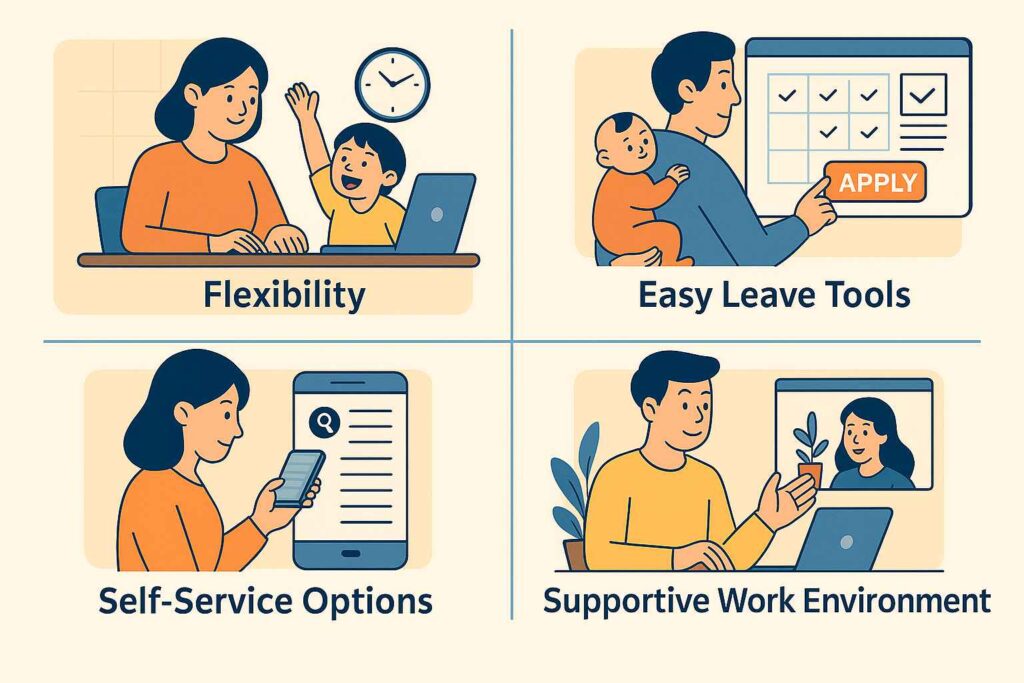
Flexible Work Arrangements That Empower Parents
Children’s Day often brings school programs, fun events, and family activities that parents want to attend. HRMS features make this possible by providing flexible work options without disrupting workflow.
Through HRMS, employees can request flexible timings, work-from-home arrangements, or hybrid schedules. Managers get immediate updates and can view team availability, enabling smooth coordination.
Clear visibility into shifts and workload allows parents to plan their day better, avoid conflicts, and create a healthy balance between professional tasks and family moments.
HRMS tools help reduce the guilt or pressure parents feel when they need time for their children. Instead, they feel supported, understood, and valued by their organization.
Leave Management Designed for Parenting Needs
Children’s Day often includes special programs, celebrations, or activities that require parental involvement. In many cases, parents need short leave to attend school functions, volunteer for events, or simply spend quality time with their children.
HRMS features make leave management smoother and stress-free for parents.
With instant leave applications, real-time leave balances, clearly defined leave categories, and transparent approval flows, parents can plan time off without confusion.
The system automatically updates calendars, notifies managers, and keeps teams informed, ensuring work continuity while parents focus on their children.
This seamless process ensures that parents are not hesitant or anxious about requesting leave during important family occasions.
Employee Self-Service for Quick and Independent Access
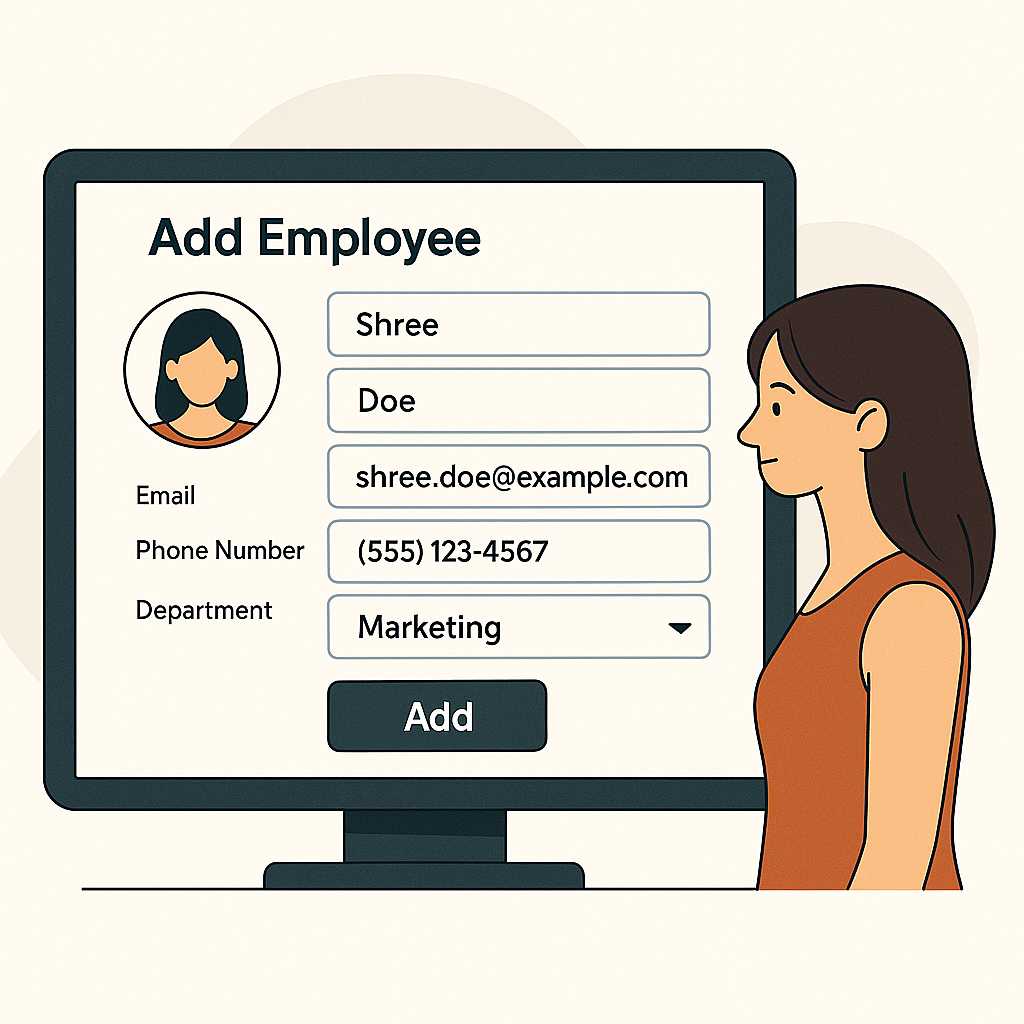
Working parents rarely have spare time to follow up with HR departments for small tasks. The Employee Self-Service module is one of the most valuable HRMS features for families because it provides complete independence.
Parents can update personal details, download payslips, check attendance, review policies, upload documents, and submit requests whenever it suits their schedule.
This saves hours of waiting, reduces stress, and allows parents to manage administrative responsibilities without sacrificing time with their children.
On a busy school morning or during a Children’s Day event, parents can handle HR tasks within seconds, making work-life balance significantly easier.
Childcare and Dependent Benefits Managed with Ease
Children’s Day highlights the importance of children’s wellbeing and development. HRMS platforms support parents by offering dedicated features for childcare and dependent management.
Parents can update child-related details, manage dependent data, track childcare allowances, review insurance coverage, and stay informed about claim deadlines.
This centralized access makes it easier for families to manage financial and medical benefits without paperwork or confusion.
Organizations that provide supportive benefits and simplify dependent management build stronger trust with working parents and encourage a more loyal and motivated workforce.
Performance Management That Understands Parenting Challenges
Performance evaluation is often a major concern for working parents who must juggle shifting schedules. Modern HRMS platforms provide a fair and flexible approach to performance management by emphasizing measurable goals, outcomes, and skills rather than rigid attendance patterns.
Managers can track progress continuously, set achievable objectives, share feedback regularly, and accommodate parental responsibilities when needed.
Parents returning from maternity or paternity leave also receive tailored support to reintegrate smoothly into their roles.
This fairness strengthens workplace morale and ensures that parents feel appreciated for their contributions even when their routines require adjustment.
Wellness and Emotional Support Features for Parents
Children’s Day also reminds us of the emotional energy parents invest into raising children. Balancing career commitments and family responsibilities often leads to fatigue, stress, and burnout.
HRMS platforms now integrate wellness modules that provide mental health resources, counseling access, mindfulness exercises, stress-relief programs, and wellbeing assessments.
Organizations can monitor engagement and identify employees who may need additional support, ensuring that parents feel emotionally and mentally cared for.
This holistic approach strengthens workplace wellbeing and enhances productivity and overall happiness.
Seamless Communication That Keeps Parents Connected
Children’s Day may involve parents being away from their desks or working from different locations. HRMS features simplify communication by offering internal messaging tools, announcement boards, workflow notifications, and project updates in one place.
Parents can stay informed, clarify doubts, track tasks, and stay aligned with team updates without constant physical presence.
This ensures smooth collaboration and helps parents stay connected to company updates even while participating in Children’s Day activities.
Payroll Transparency and Financial Stability
Children’s Day often involves small celebrations, gifts, outings, or contributions, and financial planning becomes essential. HRMS platforms provide complete clarity around payroll so parents can manage expenses confidently.
Employees can access payslips, tax summaries, reimbursement details, and salary structures through the HRMS portal.
Accurate and timely salary processing helps parents plan budgets with confidence and reduces financial stress.
Mobile App Support for Busy Parents on Children’s Day
Children’s Day is filled with activities that take parents away from workstations. HRMS mobile apps ensure that employees can handle important HR tasks instantly from their phones.
Parents can check updates, apply for last-minute leave, review schedules, upload documents, respond to requests, and stay engaged without missing special moments with their children.
This convenience makes HRMS features a true partner in work-life balance.
Cultivating a Family-Friendly Culture Through HRMS
This Children’s Day, organizations can celebrate not just the children but also the parents who support them.
HRMS features help businesses create a family-first environment where flexibility, empathy, and employee wellbeing are part of the culture.
By adopting HRMS technology, companies show respect for parents’ responsibilities, encourage stronger engagement, and build a workplace where employees feel supported both at home and at work.
Conclusion
Children’s Day reminds us that behind every child’s happiness is the dedication of supportive parents. As workplaces evolve, HRMS features have become essential tools in empowering working parents to balance their professional and personal lives effectively.
Through flexible work options, simplified leave management, dependable self-service, emotional support, dependent benefits, and transparent payroll, HRMS platforms help create a workplace where parents can thrive.
By embracing these features, organizations not only improve productivity but also build a compassionate, inclusive, and future-ready work culture where families truly matter.