CV vs Resume: Key Differences, Uses, and How to Choose the Right One
 |
22 December 2025
|
22 December 2025

Many job seekers use the terms CV and resume as if they mean the same thing. However, these documents serve different purposes and are used in different career situations. Understanding the distinction between CV vs resume can help you present your profile more effectively and apply with confidence.
What Is a CV?
A Curriculum Vitae (CV) is a detailed document that outlines your complete academic and professional background. It provides a comprehensive record of your career journey, focusing heavily on education, research, and scholarly achievements.
A CV grows over time and is updated as you gain new qualifications, publications, or experiences.
Common Elements of a CV
- Educational history
- Research work and publications
- Certifications and awards
- Teaching or academic experience
- Conferences, seminars, and projects
When Is a CV Used?
- Academic and teaching positions
- Research and fellowship roles
- PhD or higher education applications
- Grant submissions
- Job applications in regions such as Europe, the Middle East, and parts of Africa
What Is a Resume?
A resume is a concise, job-focused document designed to highlight your most relevant skills and achievements. It is tailored for a specific role and emphasizes what makes you a strong fit for that position.
Unlike a CV, a resume is selective rather than exhaustive.
Common Elements of a Resume
- Professional summary
- Key skills
- Relevant work experience
- Achievements and measurable results
- Tools, software, or technologies
When Is a Resume Used?
- Corporate and private-sector jobs
- IT, marketing, HR, finance, and sales roles
- Internships and entry-level positions
- Most job applications in India, the U.S., and many global markets
CV vs Resume: Core Differences
| Aspect | CV | Resume |
| Purpose | Full academic and professional record | Job-specific profile |
| Length | Usually 2 pages or more | Typically 1–2 pages |
| Focus | Education, research, and publications | Skills, experience, and achievements |
| Customization | Mostly static | Tailored for each job |
| Usage | Academia and research | Corporate and professional roles |
CV vs Resume: Which One Should You Use?
Choose a CV if your career path is academic, research-oriented, or education-focused.
Choose a resume if you are applying for corporate, technical, or professional roles.
Simple way to remember:
- CV → Academic and research careers
- Resume → Job-focused professional careers
Tips to Strengthen Your CV or Resume
For a CV:
- List publications using proper citation formats
- Highlight teaching and research contributions
- Include grants, scholarships, and academic honors
- Maintain a clear and structured layout
For a Resume:
- Use strong action verbs
- Quantify achievements where possible
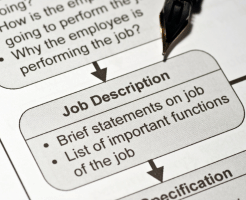
- Match your content to the job description
- Keep formatting clean and easy to read
Conclusion
The difference between CV vs resume lies in purpose, length, and focus. A CV tells the complete story of your academic and professional life, while a resume delivers a sharp, targeted snapshot for a specific job. Choosing the right document—and using it effectively—can significantly improve your chances of standing out to employers.