Employee Life Cycle Explained: 10 Key Strategies for Effective HR Management
 |
02 December 2025
|
02 December 2025

Employee life cycle is the structured journey that every employee passes through in an organization—from attraction and hiring to growth, retention, and exit. In today’s highly competitive business environment, managing the employee life cycle effectively is no longer optional for HR teams. It directly influences productivity, engagement, talent retention, and business performance. When organizations align their HR processes with the employee life cycle, they build stronger teams and sustainable growth.
This blog explains the employee life cycle through 10 practical key strategies that HR professionals can use to improve workforce management and long-term organizational success.
Key Strategy 1: Build a Strong Employer Brand to Attract the Right Talent
The first stage of the employee life cycle begins even before a candidate applies for a job. Employer branding plays a major role in shaping how potential employees perceive an organization. Companies that clearly communicate their values, work culture, career growth opportunities, and employee benefits attract better-quality candidates. A strong employer brand reduces hiring costs, shortens recruitment cycles, and improves the overall talent pool.
Key Strategy 2: Use Data-Driven Recruitment for Smarter Hiring
Recruitment is one of the most critical stages in the employee life cycle. Data-driven recruitment helps HR teams move beyond gut feelings and make hiring decisions based on performance metrics, skills match, and candidate behavior. Using applicant tracking systems, assessment tools, and predictive analytics ensures that organizations hire candidates who are not only qualified but also culturally aligned.
Key Strategy 3: Implement a Structured and Engaging Onboarding Process
Onboarding defines how quickly a new employee becomes productive. A well-organized onboarding system ensures that new hires understand their role, company policies, performance expectations, and workplace culture. Digital onboarding tools help automate documentation, compliance, and task assignments. An effective onboarding experience improves retention and strengthens the employee’s connection to the organization.
Key Strategy 4: Invest in Continuous Learning and Employee Development
Employee development is a core pillar of the employee life cycle. Organizations that invest in ongoing learning—through training sessions, certification programs, mentoring, and leadership development—create employees who are better prepared for the future.
When employees see clear learning paths, they feel valued and stay motivated, which directly improves performance and engagement.
Key Strategy 5: Implement Transparent Performance Management Systems
Performance management must be continuous rather than limited to annual reviews. Regular performance discussions, real-time feedback, and clear goal setting help employees understand expectations and role responsibilities. An effective performance management system aligns individual goals with business objectives while encouraging accountability and career growth.
Key Strategy 6: Strengthen Employee Engagement Through Communication and Culture
Employee engagement is a key success factor within the employee life cycle. Engaged employees are more productive, innovative, and loyal. Open communication, leadership accessibility, recognition programs, wellness initiatives, and inclusive workplace culture create strong emotional connections between employees and the organization. This leads to higher morale and consistent performance.
Key Strategy 7: Improve Retention Through Recognition and Growth Opportunities
Retention is one of the most valuable outcomes of a well-managed employee life cycle. Competitive salaries, performance-based incentives, career progression structures, and recognition programs play a vital role in reducing employee turnover. When employees feel appreciated and see long-term growth opportunities, they are more likely to remain loyal to the organization.
Key Strategy 8: Enable Internal Mobility and Succession Planning
Internal mobility allows employees to move into new roles that match their evolving skills. This not only reduces recruitment costs but also strengthens employee motivation. Succession planning ensures that future leaders are prepared in advance, reducing leadership gaps and maintaining business continuity.
Key Strategy 9: Use HR Technology to Automate the Employee Life Cycle
Digital HR solutions make the employee life cycle more efficient and accurate. Automation in attendance tracking, payroll processing, leave management, recruitment, and performance reporting reduces manual workload and minimizes errors. HR automation also provides real-time workforce insights that support better decision-making.
Key Strategy 10: Manage Offboarding and Alumni Relationships Professionally
Offboarding is the final stage of the employee life cycle, yet it is often overlooked. A well-structured offboarding process includes knowledge transfer, clearance procedures, exit interviews, and respectful communication. Maintaining positive relationships through alumni programs strengthens employer branding and creates future recruitment and business collaboration opportunities.
Why the Employee Life Cycle is Critical for Business Growth
An optimized employee life cycle supports business growth by creating a stable, engaged, and high-performing workforce. It improves hiring accuracy, enhances employee experience, strengthens retention, and reduces operational risks. Organizations that focus on the employee life cycle develop strong workplace cultures and long-term competitive advantages.
Summary Table: Employee Life Cycle and Key HR Strategies
| Employee Life Cycle Stage | Key Strategy Focus | Business Benefit |
| Attraction | Employer branding | Better talent quality |
| Recruitment | Data-driven hiring | Reduced hiring errors |
| Onboarding | Structured integration | Faster employee productivity |
| Development | Continuous learning | Skill enhancement |
| Performance | Ongoing evaluation | Higher performance |
| Engagement | Communication & culture | Improved motivation |
| Retention | Recognition & growth | Lower turnover |
| Internal Mobility | Succession planning | Leadership stability |
| HR Automation | Digital HR tools | Operational efficiency |
| Offboarding | Exit & alumni programs | Strong brand reputation |
Common Challenges in Managing the Employee Life Cycle
Many organizations face challenges such as disconnected HR systems, payroll errors, limited automation, low employee engagement, inconsistent feedback mechanisms, and poor exit management. These issues often lead to dissatisfaction, high attrition, compliance risks, and reputational damage. Addressing these challenges requires an integrated digital HR approach and strategic workforce planning.
How Zlendo Supports the Employee Life Cycle
Zlendo plays a powerful role in strengthening the employee life cycle through smart HR automation and workforce management solutions. With features such as:
Automated attendance tracking
Payroll management and salary accuracy
Employee performance monitoring
Leave and shift management
Real-time HR reporting and analytics
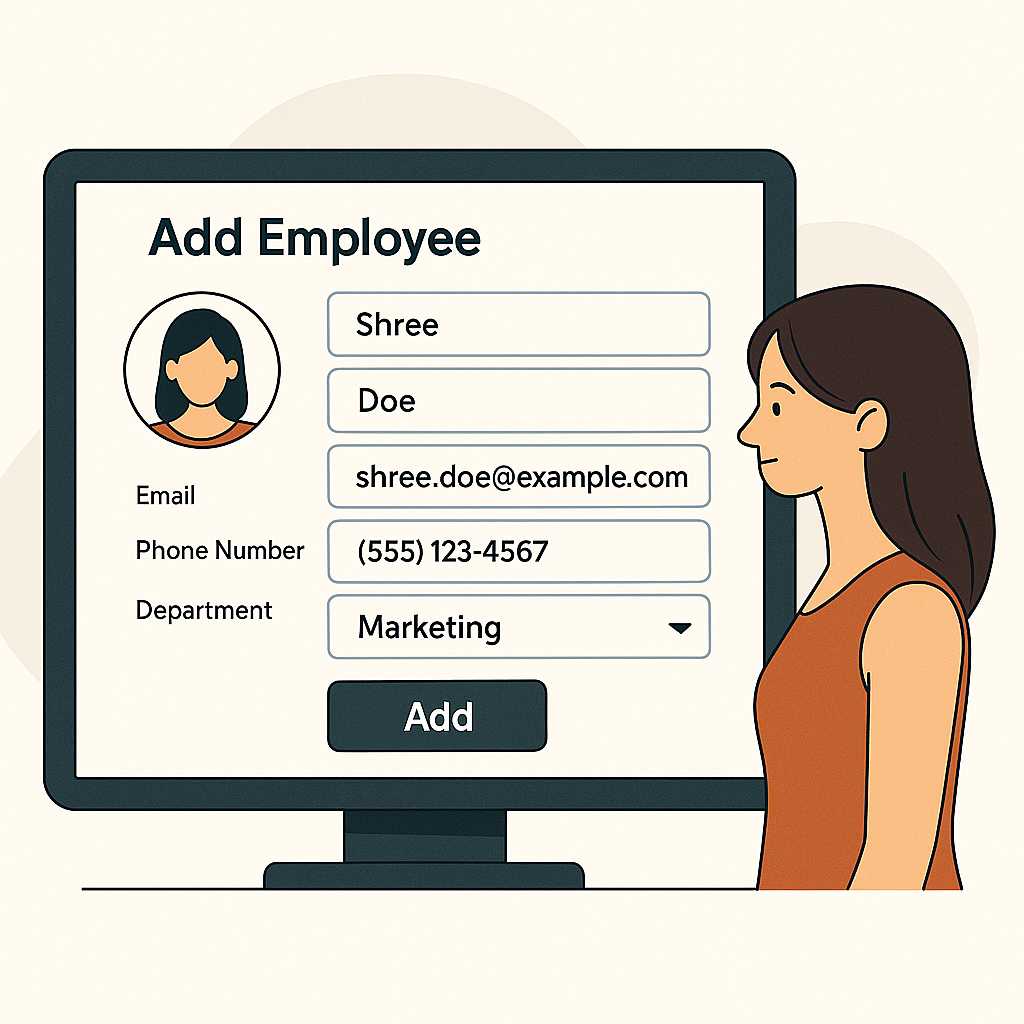
Zlendo helps organizations eliminate manual HR errors and ensure transparency across all employee life cycle stages. By digitizing HR operations, Zlendo allows HR teams to focus on people strategy instead of administrative workload. Employees also benefit from self-service access, accurate payroll processing, and real-time attendance visibility, improving overall workplace satisfaction.
Future of the Employee Life Cycle in Digital HR
As HR continues to evolve, the employee life cycle will become more predictive, personalized, and technology-driven. AI-powered analytics will enable HR teams to forecast attrition, detect performance trends early, and customize employee development plans. Companies that adapt early to digital HR transformation will gain a competitive workforce advantage.
Conclusion
The employee life cycle is the backbone of effective HR management and long-term organizational success. By applying these 10 key strategies, businesses can attract the right talent, improve employee engagement, strengthen retention, and streamline HR operations. When supported by intelligent digital platforms like Zlendo, the employee life cycle becomes more efficient, transparent, and scalable. Zlendo’s HR automation, payroll accuracy, and workforce tracking features enable organizations to manage the entire employee journey with confidence and precision.
Disclaimer
This blog is intended for informational and educational purposes only. HR strategies, tools, and software features discussed in this article are based on general industry best practices. Actual results may vary depending on organizational structure, implementation approach, workforce size, and business policies. Readers should evaluate solutions based on their specific operational requirements.