The Evolution of Human Resource Management (HRM)
 |
18 December 2025
|
18 December 2025
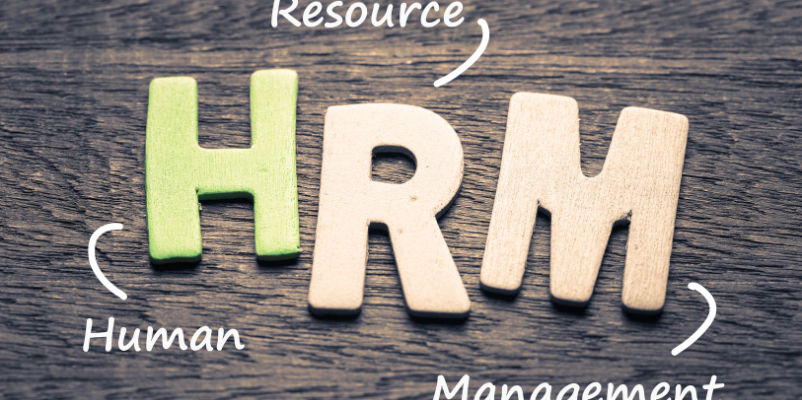
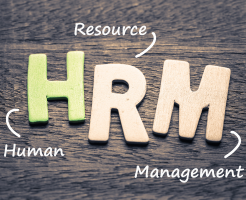
Human Resource Management (HRM) has transformed dramatically over time. What began as a support function focused on record-keeping has evolved into a strategic discipline that shapes organizational growth and employee success. This evolution reflects changes in business practices, workforce expectations, and technological advancement.
1. Early Stage: Personnel Administration
In the late 19th and early 20th centuries, HR was known as personnel administration. The role was mainly operational and focused on basic workforce management.
Key responsibilities included:
- Recruiting workers for industrial and factory jobs
- Maintaining attendance, payroll, and employee records
- Ensuring compliance with labor laws and safety standards
Employee development and engagement were not primary concerns during this phase.
2. Growth Phase: Employee Welfare and Industrial Relations
As businesses expanded, organizations began recognizing the importance of employee satisfaction and workplace stability. HR functions gradually shifted toward employee care and labor relations.
During this phase, HR teams:
- Introduced welfare programs and benefits
- Managed labor unions and collective agreements
- Addressed employee grievances and disputes
- Provided basic training for skill improvement
This period marked HR’s growing role in maintaining workforce harmony.
3. Strategic Phase: Human Resource Management
By the 1980s and 1990s, HR became known as Human Resource Management, highlighting the strategic value of people within organizations.
Major developments included:
- Aligning HR strategies with business objectives
- Focusing on recruitment, retention, and talent development
- Implementing performance evaluation systems
- Strengthening leadership development and organizational culture
HR began contributing directly to long-term business success.
4. Digital Transformation: Technology and HR Analytics
With the rise of digital technologies, HR operations underwent significant modernization in the 21st century.
Key changes included:
- Automation of recruitment, payroll, and attendance systems
- Use of data and analytics for workforce planning
- Growth of remote work and digital collaboration tools
- Enhanced employee engagement through HR platforms
Technology enabled HR teams to operate more efficiently and make informed decisions.
5. Present and Future: Agile and People-Centered HR
Today, HRM continues to evolve into a flexible and employee-focused function that prioritizes well-being and adaptability.
Current HR trends include:
- Emphasis on employee experience and mental health
- Commitment to diversity, equity, and inclusion
- Use of AI for talent management and learning pathways
- Support for flexible work models and continuous upskilling
Modern HR focuses on building resilient and inclusive workplaces.
Conclusion
Human Resource Management has progressed from administrative support to a strategic business function that empowers employees and drives organizational success. In today’s fast-changing environment, digital HR solutions like Zlendo Suite help organizations manage talent, performance, and employee engagement effectively, supporting HR teams in building productive and people-focused workplaces.
Disclaimer
It provides an overview of Human Resource Management concepts and trends and should not be considered professional or legal advice. HR practices may vary across organizations and regions. Readers are encouraged to consult HR professionals or relevant authorities before implementing any HR policies or systems.