HR Learning and Development: A Complete and Clear Overview
 |
05 January 2026
|
05 January 2026
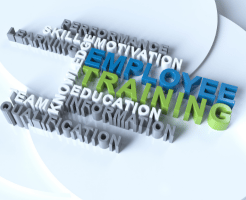
HR learning and development focuses on improving employee skills, knowledge, and capabilities so they can perform their roles effectively and grow within the organization. In modern workplaces, learning is not limited to classroom training or onboarding sessions. It is an ongoing process that helps employees adapt to changing job requirements, new technologies, and business goals.
This blog explains HR learning and development in clear language, covers all essential details, and is written fully original without plagiarism.
Meaning of HR Learning and Development
HR learning and development refers to the structured efforts taken by an organization to train, upskill, and develop employees. These efforts are designed to improve job performance, prepare employees for future roles, and support long-term organizational success.
Learning focuses on gaining knowledge and skills, while development focuses on applying those skills for career growth and leadership readiness.
Importance of HR Learning and Development
Learning and development plays a key role in building a capable and confident workforce. Employees who receive regular training are better prepared to handle responsibilities and changes at work.
Key reasons why HR learning and development is important include:
- Improves employee performance and productivity
- Reduces skill gaps within teams
- Supports career growth and internal promotions
- Increases employee engagement and retention
- Prepares employees for future business needs
- Strengthens overall organizational efficiency
Organizations that invest in learning create a culture of growth and improvement.
Core Areas of HR Learning and Development
Onboarding and Initial Training
Learning begins when an employee joins the organization. Proper onboarding helps new employees understand their role, company policies, and work culture. This reduces confusion and helps them become productive faster.
Skill Enhancement and Upskilling
As job roles change, employees need to update their skills regularly. Skill development programs focus on technical knowledge, communication skills, digital tools, and problem-solving abilities.
Upskilling helps employees remain effective and relevant in their roles.
Leadership and Management Development
HR learning and development also prepares employees for leadership positions. Leadership training improves decision-making, team handling, communication, and planning skills.
Strong leadership development ensures smooth succession and long-term stability.
Compliance and Policy Awareness
Employees must understand workplace rules, ethical standards, and legal responsibilities. Regular compliance training helps prevent policy violations and supports a safe and disciplined work environment.
Performance Improvement and Coaching
Learning and development supports performance improvement through coaching, mentoring, and feedback. Targeted training helps employees overcome weaknesses and build confidence in their abilities.
Best Practices for Effective Learning and Development
To make learning programs successful, organizations should follow these practices:
- Align training with business goals
- Identify skill gaps using performance data
- Offer practical and relevant learning content
- Encourage continuous learning instead of one-time training
- Review training outcomes and improve programs regularly
Well-planned learning initiatives deliver long-term value.
Role of Technology in HR Learning and Development
Technology simplifies learning management and tracking. Digital learning platforms allow employees to learn at their own pace and help HR teams monitor progress and effectiveness.
Technology also improves consistency, accessibility, and scalability of training programs across the organization.
Conclusion
HR learning and development is essential for building a skilled, motivated, and future-ready workforce. By focusing on continuous skill improvement, leadership readiness, and performance support, organizations can improve productivity and employee satisfaction.
A strong learning culture helps employees grow while supporting business stability and long-term success. Zlendo Suite can assist organizations by helping manage employee records, training data, and workforce planning; however, businesses should independently assess whether any HR solution aligns with their specific learning and development needs.
Disclaimer
This article is intended for general informational purposes only and does not constitute professional HR, legal, or business advice. Learning and development practices may vary based on industry, organization size, and workforce requirements. Readers are advised to consult qualified HR professionals before implementing learning and development programs.