HR Scorecard: Measuring the Impact of Human Resources on Business Success
 |
05 January 2026
|
05 January 2026

Human Resources has evolved into a strategic function that directly influences organizational performance. To demonstrate this impact clearly, companies rely on an HR scorecard. An HR scorecard helps organizations evaluate how effectively HR activities support business goals by using structured metrics and measurable outcomes rather than assumptions.
This blog provides a fully original, plagiarism-free explanation of the HR scorecard, its purpose, components, and practical use in modern organizations.
What Is an HR Scorecard?
An HR scorecard is a performance management tool used to track and evaluate the effectiveness of HR functions. It converts HR strategies, initiatives, and processes into measurable indicators that reflect their contribution to organizational success.
Instead of focusing only on tasks completed by HR, the scorecard highlights results such as workforce efficiency, employee engagement, talent stability, and compliance strength.
Importance of the HR Scorecard
The HR scorecard helps leadership understand how people-related decisions influence overall business outcomes. It provides a structured way to connect HR efforts with organizational objectives.
Key reasons why an HR scorecard is valuable include:
- Creating alignment between HR goals and business strategy
- Enabling data-based decision-making
- Improving accountability within HR functions
- Identifying gaps in workforce planning and performance
- Demonstrating the return on investment of HR initiatives
By using an HR scorecard, organizations move from reactive HR management to proactive, strategic workforce planning.
Core Elements of an Effective HR Scorecard
A strong HR scorecard includes multiple dimensions to give a balanced view of HR performance.
Workforce Efficiency Indicators
These metrics assess how effectively employees contribute to organizational output. Examples include productivity levels, absenteeism trends, and workforce utilization rates.
Monitoring efficiency helps HR teams identify performance gaps and optimize workforce deployment.
Hiring and Retention Measures
This section evaluates how well the organization attracts and retains talent. Common indicators include recruitment cycle time, employee turnover rates, and average tenure.
Strong results in this area reflect stable workforce planning and effective talent strategies.
Learning and Capability Development Metrics
These metrics measure employee growth and skill enhancement. They may include training participation levels, skill progression, and internal mobility rates.
Tracking development ensures that learning initiatives support both current performance and future business needs.
Employee Engagement and Workplace Health
Engagement-related measures provide insights into employee morale, satisfaction, and workplace culture. Feedback scores, participation levels, and resolution timelines are often used.
High engagement levels usually indicate stronger commitment and improved productivity.
Compliance and Risk Control Indicators
HR scorecards also track adherence to policies, labor regulations, and internal standards. Metrics may include audit outcomes, policy breaches, or compliance review results.
This component helps organizations reduce legal exposure and maintain governance discipline.
Compensation and Cost Management Metrics
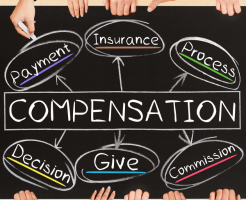
This area focuses on HR-related financial efficiency, including payroll costs, benefit spending, and overtime trends. Analyzing compensation data helps balance cost control with fair employee rewards.
How to Build and Use an HR Scorecard
To ensure effectiveness, organizations should follow a structured approach:
- Define clear HR objectives linked to business priorities
- Select relevant and measurable indicators
- Establish realistic targets and benchmarks
- Review scorecard results regularly
- Use insights to refine HR policies and strategies
Consistency in tracking and leadership involvement are key to long-term success.
Challenges in HR Scorecard Implementation
Organizations may face challenges such as unclear metrics, inconsistent data, or limited analytical capability. These issues can be addressed by standardizing definitions, improving data quality, and using reliable HR systems to automate tracking.
Role of Technology in HR Scorecards
Technology plays a crucial role in maintaining accurate HR scorecards. Digital HR platforms help collect real-time data, generate reports, and present insights through dashboards.
Automation reduces manual errors and allows HR teams to focus on analysis and strategic planning instead of administrative work.
Conclusion
An HR scorecard is a powerful tool for transforming HR into a measurable and strategic business function. By tracking productivity, engagement, compliance, and cost efficiency, organizations gain clarity on the true impact of their HR initiatives.
Zlendo Suite supports HR scorecard implementation by centralizing employee information, automating payroll and attendance data, and delivering reliable workforce insights. With accurate data and streamlined processes, Zlendo Suite enables HR teams to maintain meaningful scorecards, monitor performance consistently, and focus on strategic people management.
Disclaimer
This article is provided for general informational purposes only and does not constitute professional HR, legal, or business advice. HR scorecard metrics, frameworks, and compliance requirements may differ based on organization size, industry, and jurisdiction. Readers should consult qualified HR professionals or business advisors before implementing any HR scorecard or performance measurement system.