11 HR Trends for 2026 That Will Shape the Future of Work.
 |
01 December 2025
|
01 December 2025
Introduction
HR trends are rapidly reshaping how organizations attract talent, manage performance, and build sustainable workplaces. As businesses enter 2026, HR is no longer a support function—it is a strategic driver of growth, innovation, and workforce resilience. The recent trends in HR clearly show a strong shift toward automation, data-driven decision-making, flexible work models, continuous learning, and employee well-being. Organizations that align with these HR trends will gain a competitive advantage in talent retention, productivity, and compliance in a fast-evolving digital economy.
1. AI-Driven Talent Acquisition
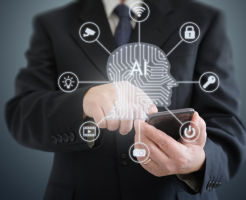
Artificial intelligence is transforming recruitment end-to-end. From resume screening and chat-based candidate interaction to interview scheduling and predictive hiring analytics, AI improves both speed and quality of hiring. Many IT and BPO companies already use AI to shortlist profiles in minutes instead of days, reducing time-to-hire by more than 40% in some cases. As one of the most powerful recent trends in HR, AI-driven recruitment also helps reduce unconscious bias and improves candidate matching accuracy.
2. Skill-Based Hiring Over Degree-Based Hiring
One of the most visible HR trends is the shift from degree-based hiring to skill-based hiring. Employers now prioritize hands-on skills, certifications, digital competencies, and problem-solving ability over traditional academic credentials. For example, technology startups frequently hire developers based on coding assessments rather than formal degrees. This trend expands the talent pool, promotes diversity, and ensures job-readiness from day one.
3. Hybrid and Remote Work as a Permanent Workforce Model
Hybrid and remote work are now permanent components of workforce strategy. A large share of global organizations continue to operate with flexible work policies due to higher employee satisfaction and reduced infrastructure costs. In India, many IT and service organizations report improved productivity with hybrid setups. HR teams are redesigning attendance tracking, performance evaluation, and communication frameworks to support distributed teams efficiently.
4. Employee Experience as a Core Business Strategy
Modern HR trends place heavy emphasis on employee experience. This includes seamless onboarding, personalized learning journeys, continuous feedback systems, internal mobility, and wellness engagement. Organizations with strong employee experience frameworks consistently report higher retention and engagement levels. Companies that invest in experience-driven HR also achieve better employer branding and long-term workforce loyalty.
5. Data-Driven HR Decision Making
HR analytics is now a central pillar of people management. Organizations use workforce data to analyze attrition patterns, compensation fairness, performance trends, and hiring success rates. For example, manufacturing companies use analytics to predict manpower shortages during peak demand periods. This recent trend in HR transforms HR into a predictive and strategic business partner rather than a reactive administrative unit.
6. Automation of Core HR Operations
Automation remains one of the fastest-growing HR trends entering 2026. Attendance management, payroll processing, statutory compliance, shift scheduling, and leave management are now largely automated in modern organizations. Automation not only reduces manual errors but also enables HR professionals to focus on talent development, culture building, and strategic workforce planning instead of routine paperwork.
7. Continuous Learning, Upskilling, and Reskilling
With technology changing job roles rapidly, continuous learning has become a business necessity. Organizations are investing in digital learning platforms, internal certifications, and micro-learning programs. For example, many BFSI organizations now run in-house digital upskilling programs to prepare employees for AI and data-driven roles. Recent trends in HR clearly show that learning agility is becoming a core employability skill for 2026.
8. Mental Health and Employee Well-Being Programs
Employee well-being is now a key performance indicator for HR success. Organizations are implementing structured mental health programs, flexible schedules, therapy access, wellness leave, and stress management initiatives. HR trends indicate that employees working in supportive environments show higher productivity, stronger engagement, and lower burnout rates.
9. DEI (Diversity, Equity & Inclusion) as a Business Imperative
Diversity, equity, and inclusion have moved from policy documents to measurable business metrics. Organizations are actively creating inclusive hiring strategies, leadership diversity programs, and equitable growth paths. Companies with strong DEI frameworks often outperform peers in innovation, employee engagement, and customer trust. DEI is no longer optional—it is a strategic necessity in modern HR leadership.
10. Compliance-Focused Digital HR Systems
With increasing regulatory complexity across labor laws, payroll taxes, social security, and data protection, compliance has become one of the most critical recent trends in HR. Organizations are adopting digital HR platforms that offer real-time compliance tracking, automated statutory calculations, audit-ready reporting, and secure employee data management. This significantly reduces legal risks and financial penalties.
11. Predictive Workforce Planning Using Advanced Analytics
Workforce planning is evolving rapidly through the use of intelligent data forecasting methods. Organizations now forecast talent demand, skill gaps, attrition risks, and leadership pipelines using historical workforce data. For example, large enterprises use predictive models to plan hiring seasons and succession strategies well in advance. This HR trend supports long-term organizational stability and cost optimization.
Real-World Industry Examples Supporting These HR Trends
In the IT sector, companies are using AI-powered recruitment tools to screen thousands of resumes within hours, reducing interviewer load and improving hiring accuracy. Hybrid work policies in IT firms have helped retain high-performing employees who prefer location flexibility.
In the manufacturing sector, predictive workforce analytics is used to forecast seasonal labor demand and prevent production delays. Automation of attendance and shift scheduling has significantly reduced payroll discrepancies.
In the healthcare and BFSI sectors, continuous learning platforms are used to maintain regulatory knowledge and upgrade digital skills regularly. Mental health and well-being initiatives in these high-stress industries have shown measurable improvements in employee retention.
These real-world examples prove that recent trends in HR are not theoretical—they are actively transforming how businesses operate every day.
Statistical Signals Supporting HR Trends
Recent workforce studies and employer surveys indicate that a large majority of organizations plan to increase their investment in HR technology, analytics, and employee well-being over the next two years. A significant percentage of employees now prefer hybrid work options, and companies offering flexible models report higher job satisfaction. Data also shows that organizations with strong learning cultures are more resilient during economic uncertainty and technological disruption.
These signals confirm that HR trends shaping 2026 are backed by strong market movement, not just strategy discussions.
Why These HR Trends Are Critical for Business Success in 2026
The HR trends of 2026 directly affect business continuity, workforce morale, regulatory compliance, and organizational growth. Companies that ignore recent trends in HR may face skill shortages, high attrition, compliance failures, and declining productivity. On the other hand, organizations that proactively adopt these trends benefit from stronger talent pipelines, stable operations, better employee engagement, and improved business performance.
Technology as the Backbone of Modern HR Trends
Every major HR trend today is powered by digital infrastructure. Cloud-based HR platforms, AI engines, workforce analytics tools, and secure data systems support scalability and accuracy. Technology enables HR teams to manage remote workforces, automate statutory compliance, personalize learning journeys, and deliver consistent employee experiences across locations.
Conclusion: Building the Future of HR with Zlendo
The evolving HR trends and recent trends in HR show that 2026 will be defined by automation, analytics, employee-centricity, and compliance-ready digital systems. To successfully adapt, organizations need intelligent platforms that unify core HR operations with strategic workforce planning.
Zlendo empowers organizations to align with these HR trends through automated attendance management, smart payroll processing, real-time workforce analytics, statutory compliance tracking, leave and shift management, employee self-service portals, and secure digital HR records. By implementing Zlendo, businesses can improve operational efficiency, enhance employee experience, strengthen compliance, and build a future-ready HR ecosystem that supports sustainable growth.
Disclaimer
This blog is published strictly for informational and educational purposes only. HR trends, workplace technologies, and regulatory practices may evolve based on industry, geography, and future policy changes. Organizations are advised to evaluate their specific operational needs and seek professional consultation before implementing any HR strategy or digital transformation initiative.