Job Specifications Explained: Meaning, Importance, and Best Practices
 |
30 December 2025
|
30 December 2025

Job specifications play a vital role in the hiring and career development process. They clearly define what a role requires from a candidate, helping employers find suitable talent and enabling job seekers to understand whether they are a good fit. When created thoughtfully, job specifications support effective recruitment and long-term workforce planning.
What Are Job Specifications?
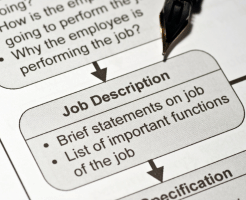
Job specifications describe the qualifications, skills, experience, and personal attributes required to perform a specific role successfully. Unlike job descriptions, which focus on duties and responsibilities, job specifications focus on the person who is best suited for the role.
They act as a benchmark for recruitment, selection, and performance evaluation.
Key Elements of Job Specifications
Well-written job specifications typically include:
- Educational qualifications
- Required skills and competencies
- Relevant work experience
- Technical or professional knowledge
- Physical or mental requirements (if applicable)
- Behavioral traits and soft skills
These elements help ensure clarity and consistency throughout the hiring process.
Why Job Specifications Are Important for Employers
For employers, job specifications provide a structured approach to recruitment and talent management.
They help organizations:
- Attract candidates who meet role requirements
- Set clear expectations from the start
- Reduce hiring mismatches and turnover
- Support fair and objective candidate evaluation
- Align recruitment with business goals
Accurate job specifications also help in training, promotions, and performance reviews.
How Job Seekers Can Use Job Specifications Effectively
Job seekers can benefit greatly by carefully reviewing job specifications.
They help candidates:
- Assess suitability before applying
- Customize resumes and cover letters
- Prepare focused interview responses
- Identify skill gaps for career development
Understanding job specifications improves the chances of a successful application.
How to Create Effective Job Specifications
Creating strong job specifications requires careful role analysis.
Best practices include:
- Clearly defining essential and desirable qualifications
- Using simple, unbiased language
- Avoiding unnecessary or unrealistic requirements
- Aligning requirements with actual job needs
- Reviewing and updating specifications regularly
A balanced approach attracts a wider and more qualified talent pool.
Common Mistakes to Avoid in Job Specifications
Employers should avoid:
- Being too vague about role requirements
- Listing excessive or outdated qualifications
- Using complex jargon or biased language
- Failing to update specifications as roles evolve
These mistakes can discourage suitable candidates and slow down hiring.
FAQ
1. What are job specifications?
Job specifications outline the skills, qualifications, and experience required for a role.
2. How are job specifications different from job descriptions?
Job specifications focus on candidate requirements, while job descriptions focus on job duties.
3. Why are job specifications important in recruitment?
They help match the right candidates with the right roles.
4. Can job specifications change over time?
Yes, they should be updated as business needs and roles evolve.
5. Do job specifications help in performance management?
Yes, they provide a reference point for evaluating employee performance.
Conclusion
Understanding and using job specifications effectively benefits both employers and job seekers. For organizations, they support accurate hiring and workforce planning. For candidates, they offer clarity and direction in career decisions. When written clearly and reviewed regularly, job specifications become a powerful tool for building successful teams and supporting long-term growth.