Performance Appraisal in HRM: A Structured Approach to Employee Evaluation
 |
23 January 2026
|
23 January 2026
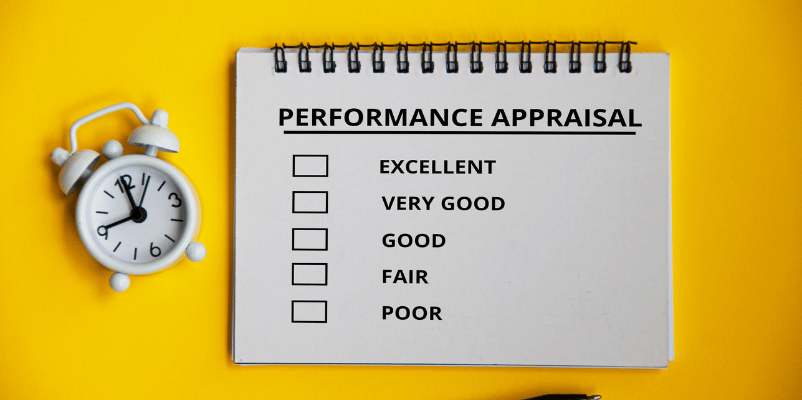
Performance appraisal in HRM is a core human resource function that focuses on reviewing employee performance and ensuring individual efforts contribute to organizational success. A well-planned appraisal system helps organizations measure productivity, guide employee development, and support fair decision-making related to growth and rewards.
Meaning of Performance Appraisal in HRM
Performance appraisal in HRM refers to a formal process used to assess an employee’s work performance over a defined period. It evaluates factors such as job skills, work quality, behavior, and achievement of assigned goals. The outcomes of appraisal are commonly used to make decisions related to promotions, compensation, training, and performance improvement.
Objectives of Performance Appraisal in HRM
The main objectives of performance appraisal in HRM include:
- Reviewing employee performance in a structured manner
- Identifying strengths and areas that need improvement
- Providing meaningful and timely feedback
- Supporting promotion and salary-related decisions
- Recognizing training and development requirements
- Improving communication between employees and managers
Common Methods Used in Performance Appraisal
Traditional Appraisal Methods
These methods focus on basic evaluation techniques:
- Rating Scale Method: Measures performance using predefined factors
- Ranking Method: Compares employees against one another
- Checklist Method: Uses structured statements to assess performance
Modern Appraisal Methods
Modern approaches aim for greater accuracy and fairness:
- Management by Objectives (MBO): Reviews performance based on agreed goals
- 360-Degree Feedback: Collects feedback from multiple stakeholders
- Behavior-Based Rating Systems: Evaluates performance using observed behaviors
- Key Performance Indicators (KPIs): Measures output through defined metrics
Importance of Performance Appraisal in HRM
Performance appraisal in HRM plays a vital role in:
- Increasing employee motivation and accountability
- Improving overall organizational productivity
- Supporting continuous learning and skill development
- Helping with workforce planning and succession management
- Aligning individual goals with business objectives
Challenges Faced in Performance Appraisal
Organizations may face several challenges, such as:
- Bias or subjectivity in evaluations
- Unclear performance standards
- Insufficient or delayed feedback
- Resistance from employees or managers
To overcome these issues, HR teams must ensure transparency, consistency, and clear performance criteria.
Conclusion
Performance appraisal in HRM is not just a periodic review but a strategic tool that supports talent development and organizational growth. When designed and implemented effectively, it strengthens employee engagement, builds trust, and improves long-term performance. Platforms like Zlendo Suite help organizations manage performance appraisal processes more efficiently by integrating goal tracking, feedback, and evaluation into a single structured system.
Disclaimer
Performance appraisal practices may vary based on organizational policies, industry standards, and legal requirements. The information provided here should not be considered professional HR or legal advice. Readers are advised to consult qualified HR professionals before implementing or modifying performance appraisal systems.